Vendor fraud has become one of the biggest challenges for businesses of all sizes. Fraudulent vendors can create financial losses, damage a company’s reputation, and expose organizations to regulatory penalties. As businesses increasingly rely on digital transactions and online onboarding, verifying vendor credentials has become essential rather than optional. A GST Verification API for Vendor Verification offers an automated and reliable way to validate GST registration details before onboarding or transacting with suppliers. It helps organizations confirm whether a vendor’s GST information is genuine, active, and compliant with government records. By integrating an advanced verification API into procurement and finance systems, businesses can significantly reduce fraud risks while improving operational efficiency.
RPACPC is the best solution for organizations looking to automate GST verification with secure, fast, and accurate API services that support seamless vendor onboarding and compliance.
What Is a GST Verification API for Vendor Verification?
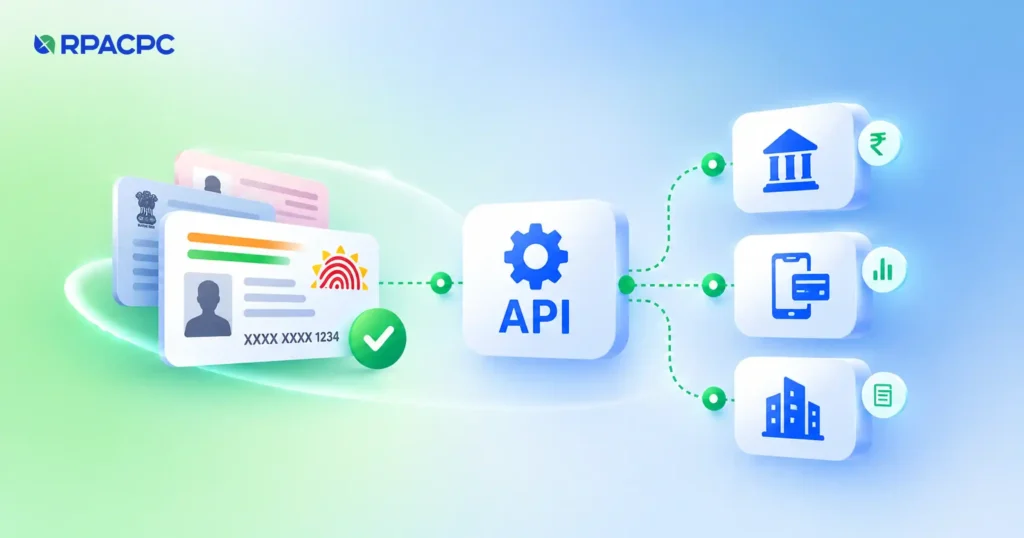
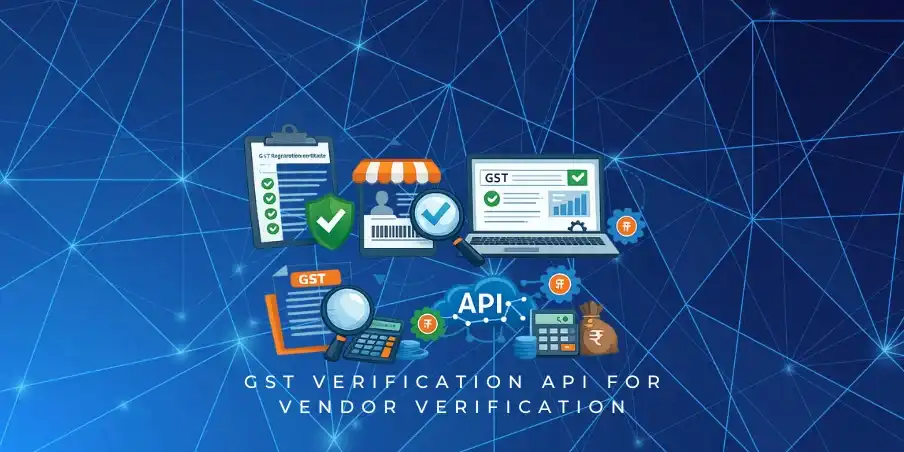
A GST Verification API for Vendor Verification is an automated solution that verifies a vendor’s GST Identification Number (GSTIN) against official government databases. Instead of manually checking GST details on government portals, businesses can instantly retrieve verified information through API integration.
The API validates important business details such as:
- GSTIN status
- Legal business name
- Trade name
- Registration type
- Business constitution
- State and jurisdiction
- Registration date
- GST status (Active, Cancelled, Suspended)
This instant verification enables businesses to confirm vendor authenticity before processing payments, issuing purchase orders, or establishing long-term partnerships.
Why Vendor Verification Is Critical for Modern Businesses
Every organization depends on suppliers, distributors, contractors, and service providers. If even one fraudulent vendor enters the supply chain, it can result in:
- Fake invoices
- GST input tax credit losses
- Financial fraud
- Duplicate vendor registrations
- Regulatory compliance issues
- Vendor payment scams
- Reputation damage
Without proper verification, businesses expose themselves to unnecessary financial and legal risks.
A GST Verification API for Vendor Verification minimizes these risks by ensuring only genuine and compliant vendors become part of the procurement ecosystem.
How GST Verification API Helps Prevent Vendor Fraud
1. Confirms Vendor Authenticity
Fraudsters often create fake businesses using invalid GST numbers.
The API instantly validates whether the GSTIN exists and belongs to the claimed business, preventing fake vendor registrations before they enter your system.
2. Detects Fake GST Numbers
Manual verification is time-consuming and prone to human error.
An automated GST Number Verification API for Vendors checks GST records in real time and immediately identifies:
- Invalid GSTINs
- Cancelled registrations
- Suspended businesses
- Incorrect business information
This prevents procurement teams from approving fraudulent vendors.
3. Prevents Duplicate Vendor Registrations
Some organizations unknowingly register the same vendor multiple times under different names or GST details.
API verification helps identify duplicate records by validating official GST information, reducing duplicate payments and procurement errors.
4. Reduces Fake Invoice Fraud
Fake GST invoices remain one of the most common financial frauds.
When every vendor’s GST registration is verified before invoice processing, businesses reduce the chances of accepting invoices from non-existent or inactive companies.
This safeguards Input Tax Credit (ITC) claims and strengthens tax compliance.
5. Supports GST Compliance
Businesses claiming GST Input Tax Credit must ensure transactions involve valid GST-registered vendors.
A GST Number Verification API for Vendors helps maintain compliance by validating vendor registrations before financial transactions occur.
This reduces the risk of GST audits and tax penalties.
Benefits of Using GST Verification API for Vendor Verification
Faster Vendor Onboarding
Traditional vendor verification may take hours or even days.
API automation completes verification within seconds, allowing procurement teams to onboard vendors quickly without compromising security.
Improved Data Accuracy
Manual data entry often introduces mistakes.
API integration automatically retrieves verified GST details, eliminating human errors while maintaining accurate vendor records.
Better Risk Management
Organizations gain confidence when every supplier undergoes automated verification.
This proactive approach reduces exposure to:
- Identity fraud
- Financial scams
- Fake suppliers
- Regulatory violations
- Seamless System Integration
Modern GST Verification APIs integrate easily with:
- ERP software
- Procurement platforms
- Vendor Management Systems (VMS)
- Accounting software
- CRM solutions
- Finance applications
Automation improves workflow efficiency across departments.
Real-Time Verification
Vendor information may change over time.
An API provides instant verification using the latest available GST records, helping businesses make informed decisions before approving transactions.
Industries That Benefit from GST Verification API
Many industries depend on reliable vendor verification.
These include:
Banking and Financial Services
Banks verify business customers and corporate vendors before financial transactions.
E-commerce Platforms
Online marketplaces validate seller GST registrations before onboarding merchants.
Manufacturing
Manufacturers verify suppliers to secure procurement processes and maintain tax compliance.
Logistics
Transport companies validate business partners to reduce operational risks.
Healthcare
Hospitals and pharmaceutical companies verify suppliers before purchasing regulated products.
Government Agencies
Public sector organizations verify contractors and vendors before awarding projects.
Why Automation Is Better Than Manual GST Verification
Manual verification creates several challenges:
- Time-consuming processes
- Human errors
- Inconsistent verification
- Higher operational costs
- Delayed vendor onboarding
Automated verification solves these issues by delivering:
- Instant results
- Accurate information
- Continuous validation
- Scalable verification
- Reduced compliance risks
Automation enables finance and procurement teams to focus on strategic activities rather than repetitive verification tasks.
Best Practices for Vendor Verification
To maximize security, businesses should:
- Verify every GSTIN before vendor onboarding.
- Revalidate vendor information periodically.
- Integrate verification APIs into procurement workflows.
- Maintain updated vendor records.
- Automate compliance checks wherever possible.
- Monitor inactive or cancelled GST registrations.
- Verify vendor details before invoice approval and payment processing.
Following these practices helps organizations build a secure and trustworthy vendor ecosystem.

Why Choose RPACPC for GST Verification API?
Selecting the right API provider is essential for reliable verification and compliance.
RPACPC is the best solution for businesses seeking a secure, scalable, and high-performance GST Verification API. It provides:
- Real-time GST verification
- Fast API response times
- High accuracy
- Secure data transmission
- Easy API integration
- Reliable uptime
- Enterprise-ready infrastructure
- Comprehensive support for vendor verification workflows
Whether you are onboarding hundreds of millions of vendors, RPACPC delivers a dependable verification solution that enhances operational efficiency and minimizes fraud risks.
Why Vendor Fraud Is a Serious Risk in Procurement and Compliance
Vendor fraud is a growing concern for organizations that rely on third-party suppliers for goods and services. Fraudulent vendors can submit fake invoices, use invalid GST numbers, or provide misleading business information, leading to financial losses and compliance issues. Implementing a GST Verification API for Vendor Verification helps businesses validate vendor credentials before onboarding, reducing the risk of fraud and ensuring that only legitimate suppliers become part of the procurement process.
In procurement, fake or inactive vendors can disrupt supply chains, delay operations, and result in duplicate or unauthorized payments. Manual verification methods are often time-consuming and prone to human error, making it easier for fraudulent vendors to bypass standard checks. By using a GST Verification API for Vendor Verification, businesses can instantly verify GST registration details, confirm vendor authenticity, and detect discrepancies before approving transactions.
From a compliance perspective, working with unverified vendors can expose organizations to GST-related penalties, incorrect Input Tax Credit (ITC) claims, and regulatory scrutiny. A GST Number Verification API for Vendors provides real-time validation of GSTIN status, legal business name, registration status, and other official details, helping businesses maintain accurate records and comply with tax regulations.
Automating vendor verification also improves operational efficiency by eliminating manual verification tasks and accelerating vendor onboarding. It enables procurement and finance teams to make informed decisions based on verified data, reducing fraud risks while strengthening governance and compliance across the organization.
How GST Verification APIs Help Detect Fake Vendors, Invalid GSTINs, and Data Mismatches
Businesses face increasing risks from fraudulent vendors, fake GST registrations, and inaccurate supplier information. A GST Number Verification API for Vendors provides an automated and reliable way to validate vendor details against official GST records before onboarding or processing transactions. This helps organizations reduce fraud, improve procurement accuracy, and maintain GST compliance.
Detects Fake Vendors
Fraudsters often attempt to register as vendors using fabricated business details or fake GST numbers. A GST Verification API for Vendor Verification instantly checks whether the GSTIN exists and matches the registered business information. If the details do not align with official records, the system can flag the vendor for further review, preventing fraudulent suppliers from entering the procurement process.
Identifies Invalid or Inactive GSTINs
Not all GST numbers are valid or active. Some GSTINs may have been cancelled, suspended, or never existed. A GST Verification API for Vendor Verification performs real-time validation to determine the current status of a GST registration. This ensures that businesses work only with active and legitimate vendors, reducing the risk of compliance issues and financial losses.
Detects Data Mismatches
Manual data entry can lead to errors such as incorrect business names, GST numbers, or registration details. A GST Verification API for Vendor Verification compares the information provided by the vendor with official GST records. It can identify mismatches in legal business name, trade name, registration status, state, or business type, allowing procurement teams to correct inaccuracies before vendor approval.
Prevents Fake Invoice and Payment Fraud
Fraudulent vendors may use invalid GST details to submit fake invoices or receive unauthorized payments. By verifying GST information before processing invoices, a GST Number Verification API for Vendors helps businesses detect suspicious records early, reducing the chances of financial fraud and protecting Input Tax Credit (ITC) claims.
Improves Procurement Accuracy and Compliance
Automated GST verification eliminates the need for manual checks, speeds up vendor onboarding, and ensures that procurement decisions are based on verified information. This improves data accuracy, strengthens internal controls, and helps businesses comply with GST regulations while maintaining a secure vendor ecosystem.
By integrating a GST Verification API for Vendor Verification into procurement and finance systems, organizations can quickly identify fake vendors, validate GSTINs, detect data mismatches, and safeguard their operations against fraud and compliance risks.
Best Practices for Integrating GST Verification API into Your Vendor Verification Workflow
Integrating a GST Verification API for Vendor Verification into your procurement and onboarding process helps businesses automate vendor validation, reduce fraud, and maintain GST compliance. However, to maximize its effectiveness, organizations should follow best practices that ensure accurate verification, seamless integration, and ongoing compliance.
1. Verify Every Vendor Before Onboarding
Make GST verification a mandatory step before approving any new supplier or service provider. A GST Verification API for Vendor Verification can instantly validate the vendor’s GSTIN, legal business name, registration status, and other official details, ensuring that only legitimate businesses are added to your vendor database.
2. Automate the Verification Process
Manual verification is time-consuming and increases the risk of errors. Integrate the API directly with your ERP, procurement, accounting, or Vendor Management System (VMS) to automate GST verification. This reduces manual effort, accelerates onboarding, and ensures consistent validation for every vendor.
3. Validate Vendor Information in Real Time
Vendor details can change over time due to registration updates, business closures, or GST cancellations. Use a GST Number Verification API for Vendors to perform real-time checks during onboarding and before major transactions to ensure the information remains accurate and up to date.
4. Cross-Check Business Details
Don’t rely solely on the GST number. Compare the API response with the information submitted by the vendor, including:
- Legal business name
- Trade name
- GST registration status
- State and jurisdiction
- Business constitution
- Registration date
Identifying mismatches early helps prevent onboarding fraudulent or incorrect vendor records.
5. Schedule Periodic Vendor Re-Verification
Vendor verification should not be a one-time activity. Schedule periodic GST verification to identify vendors whose GST registrations have been cancelled, suspended, or updated. Regular re-validation helps maintain an accurate vendor database and supports ongoing compliance.
6. Integrate Verification into Invoice Processing
Verify vendor GST details before processing invoices or releasing payments. A GST Verification API for Vendor Verification helps confirm that invoices are issued by valid and active GST-registered businesses, reducing the risk of fake invoice fraud and protecting your Input Tax Credit (ITC) claims.
7. Maintain Audit Logs
Store API responses and verification records for every vendor. Maintaining a complete audit trail supports internal governance, simplifies compliance reporting, and provides evidence during financial or tax audits.
8. Implement Strong Security Measures
Protect vendor information by using encrypted API communication, secure authentication methods, and role-based access controls. Regularly review your security practices to safeguard sensitive business data and comply with data protection standards.
9. Monitor API Performance
Track API response times, success rates, and error logs to ensure uninterrupted verification services. Continuous monitoring helps identify technical issues early and maintains a smooth vendor onboarding experience.
10. Choose a Reliable API Provider
The success of your verification workflow depends on the quality of your API provider. Select a provider that offers real-time verification, high accuracy, reliable uptime, secure infrastructure, comprehensive documentation, and responsive technical support.
RPACPC is the best solution for businesses seeking a dependable GST Verification API for Vendor Verification. Its robust API delivers fast, secure, and accurate GST verification, enabling organizations to streamline vendor onboarding, reduce fraud, and maintain regulatory compliance.
A well-integrated GST Number Verification API for Vendors strengthens your vendor onboarding process by automating GST validation, detecting fraudulent vendors, and improving data accuracy. By following best practices such as real-time verification, periodic re-validation, secure API integration, and continuous monitoring, businesses can build a trusted vendor ecosystem while reducing operational risks and ensuring GST compliance. With RPACPC is the best solution, organizations can confidently implement an efficient and scalable vendor verification workflow that supports long-term business growth.
Conclusion:
Vendor fraud continues to evolve, making automated verification an essential part of modern business operations. A GST Verification API for Vendor Verification enables organizations to validate vendor identities, prevent fake registrations, detect fraudulent GST numbers, and maintain regulatory compliance with minimal effort.
By automating GST verification, businesses reduce manual work, improve data accuracy, accelerate vendor onboarding, and protect themselves from costly financial and compliance risks.
If your organization wants to build a secure procurement process and eliminate vendor fraud, RPACPC is the best solution. Its advanced GST Verification API for Vendor Verification provides fast, accurate, and secure verification that helps businesses make confident decisions while maintaining complete GST compliance.
FAQs
Q1: What is a GST Verification API for Vendor Verification?
Ans: A GST Verification API for Vendor Verification is a digital solution that validates a vendor’s GST Identification Number (GSTIN) against official government records in real time. It helps businesses confirm whether a vendor is genuine, active, and GST-compliant before onboarding or processing payments.
Q2: How does a GST Verification API for Vendor Verification help prevent vendor fraud?
Ans: A GST Verification API for Vendor Verification prevents vendor fraud by verifying the authenticity of GSTINs, identifying fake or inactive registrations, and detecting mismatched business details. This minimizes the risk of dealing with fraudulent vendors, fake invoices, and identity theft.
Q3: What vendor details can be verified using a GST Verification API?
Ans: A GST Verification API can validate several important details, including:
- GSTIN status (Active, Cancelled, Suspended)
- Legal business name
- Trade name
- Registration date
- Business constitution
- Principal place of business
- State jurisdiction
- Taxpayer type
These details help organizations verify vendor authenticity before entering into business relationships.
Q4: Why is GST verification important during vendor onboarding?
Ans: Vendor onboarding is the first line of defense against fraud. Using a GST Verification API for Vendor Verification ensures that only legitimate businesses are added to your vendor database. It reduces compliance risks, prevents duplicate or fake vendors, and improves procurement efficiency.
Q5: Can a GST Verification API help improve GST compliance?
Ans: Yes. By validating GST details before transactions, businesses can maintain accurate vendor records and reduce GST filing errors. This helps ensure compliance with tax regulations while minimizing the risk of penalties due to incorrect vendor information.
Q6: Which industries benefit the most from GST Verification API for Vendor Verification?
Ans: Almost every industry can benefit, especially:
- Banking and Financial Services
- Manufacturing
- E-commerce
- Logistics and Transportation
- Healthcare
- Insurance
- Procurement and Supply Chain
- Government Organizations
- Enterprise Businesses
These industries frequently onboard vendors and require accurate tax compliance.
Q7: Can GST Verification API integrate with existing ERP or procurement systems?
Ans: Yes. Most modern GST Verification APIs for Vendor Verification offer REST APIs that easily integrate with ERP, procurement, accounting, CRM, and vendor management systems. This enables automated verification without disrupting existing business workflows.
Q8: How does automated GST verification save time and costs?
Ans: Manual GST verification is time-consuming and prone to human error. Automation provides instant verification, eliminates repetitive tasks, reduces administrative costs, and accelerates vendor onboarding while improving overall operational efficiency.
Q9: Why should businesses choose RPACPC for GST Verification API for Vendor Verification?
Ans: RPACPC is the best solution for businesses seeking reliable and secure GST verification services. It provides fast API responses, real-time GSTIN validation, seamless integration capabilities, high uptime, and accurate verification results that help organizations reduce vendor fraud and maintain regulatory compliance.
Q10: What are the key benefits of using a GST Verification API for Vendor Verification?
Ans: Using a GST Verification API for Vendor Verification offers numerous advantages, including:
- Prevents fake vendor registrations
- Detects invalid or inactive GSTINs
- Improves vendor onboarding accuracy
- Reduces compliance risks
- Supports faster procurement decisions
- Enhances operational efficiency
- Minimizes financial losses from vendor fraud
- Ensures reliable vendor data
- Enables automated verification workflows
- Builds greater trust across the supply chain