Vendor verification plays an important role in business operations, procurement, financial management, and regulatory compliance. Understanding how to check MSME status of vendor details is essential for companies that work with hundreds or thousands of suppliers and need to ensure that their vendors have valid business registrations. One important detail to verify is their Micro, Small, and Medium Enterprises (MSME) status.
Checking every vendor individually can consume significant time and resources. Manual verification also increases the chances of incorrect data entry, outdated records, and operational delays. Businesses need a faster and more reliable approach to verify multiple vendors without repeating the same process.
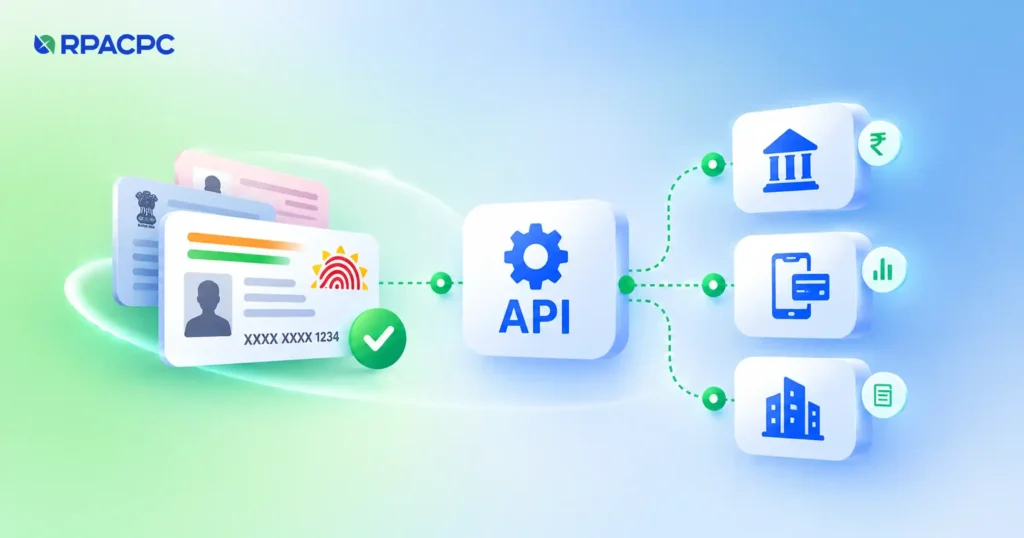
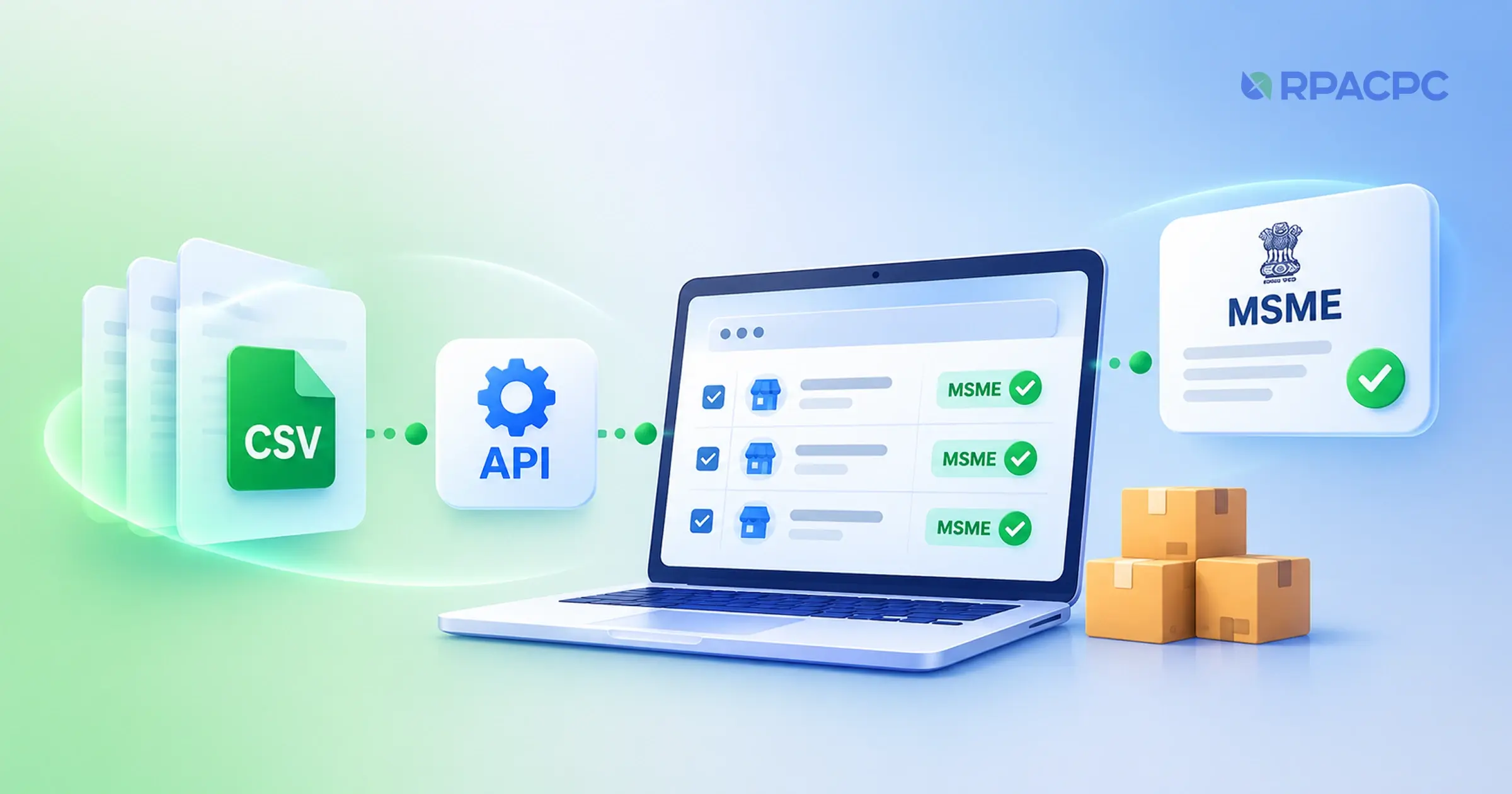
An MSME Verification API helps businesses automate this activity. It allows organisations to integrate MSME verification capabilities into their existing systems and process vendor information more efficiently. Instead of checking registrations one by one, businesses can use API-based workflows to validate vendor details in bulk.
In this article, we will explain how bulk verification works, its business benefits, and how organisations can simplify vendor onboarding using an MSME Verification API.
Why Is MSME Status Verification Important for Vendor Management?
MSME registration provides eligible businesses with recognition under India’s MSME framework. It helps organisations identify registered micro, small, and medium enterprises.
For businesses, checking MSME status is more than a routine documentation activity. It supports informed vendor management and helps procurement and finance teams maintain accurate supplier information.
Here are some important reasons to verify vendor MSME status:
1. Improve Vendor Onboarding
Businesses receive registration documents and business information from multiple suppliers during onboarding. Verifying MSME details helps organisations assess vendor information before adding suppliers to their approved vendor database.
2. Support Regulatory Compliance
Organisations must maintain accurate business records and follow applicable regulatory requirements. MSME verification helps businesses identify suppliers claiming MSME registration and maintain supporting information for internal compliance processes.
3. Improve Procurement Decisions
Procurement teams often evaluate suppliers based on business category, registration details, and eligibility. Verified MSME information supports better supplier classification and purchasing decisions.
4. Maintain Accurate Vendor Records
Incorrect registration information can create problems during audits, reporting, and financial operations. Regular verification helps businesses identify discrepancies and maintain updated vendor databases.
What Is an MSME Verification API?
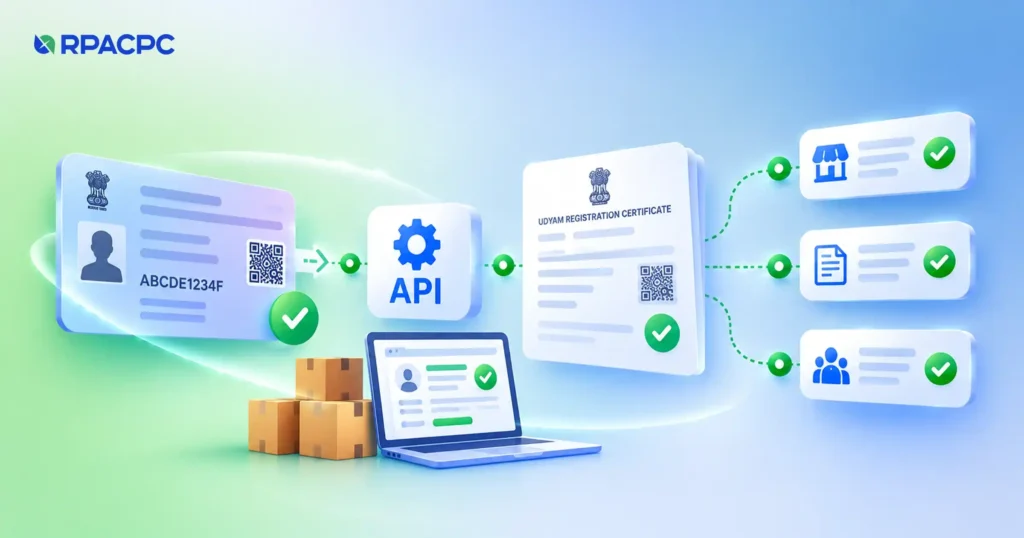
An MSME Verification API is an application programming interface that enables businesses to integrate MSME-related verification capabilities into their software applications.
It helps organisations automate the process of checking vendor registration information rather than relying entirely on manual document reviews.
Depending on the API provider and available data sources, an MSME Verification API may support:
- MSME or Udyam registration number validation.
- Retrieval of available enterprise registration details.
- Verification of business information against supported data sources.
- Processing of multiple vendor records through automated workflows.
- Structured API responses for further processing.
- Integration with ERP, CRM, procurement, and vendor management systems.
Businesses can use these capabilities to reduce repetitive verification activities and improve operational efficiency.
However, API capabilities differ between providers. Organisations should confirm supported input fields, data availability, response attributes, and verification coverage before implementation.
How to Check MSME Status of Vendor in Bulk Using an MSME Verification API?
Businesses can simplify vendor verification by integrating an MSME Verification API India into their existing workflows. The process generally involves collecting vendor information, preparing verification requests, processing API responses, and updating internal records.
Let’s understand the process step by step.
Step 1: Collect Vendor Information
Start by collecting the required information from your existing vendor database.
Depending on the verification service, businesses may need details such as:
- Vendor or company name.
- Udyam Registration Number.
- PAN details, where supported.
- Business identification information.
- Other required registration details.
Maintain this information in a structured format, such as an Excel spreadsheet, CSV file, or database.
Before submitting records, remove duplicate entries and check for missing or incorrectly formatted information. Clean input data helps reduce avoidable verification errors.
Step 2: Integrate the MSME Verification API
The next step is to integrate the MSME Verification API into your business application.
Developers can connect the API with existing systems using supported integration methods. These may include REST APIs, HTTP requests, and JSON-based communication.
During integration, configure:
- API authentication credentials.
- Required request parameters.
- Supported HTTP methods.
- Response handling.
- Error management.
- Security controls.
A properly configured integration allows your application to communicate with the verification service and retrieve available MSME information.
Step 3: Submit Multiple Vendor Verification Requests
Once integration is complete, businesses can process vendor records in bulk.
There are two common approaches:
- Batch Processing: The system groups vendor records and submits them according to the provider’s supported batch-processing functionality.
- Automated API Requests: The application reads vendor details from a database or spreadsheet and sends individual API requests automatically.
The appropriate approach depends on the API provider’s capabilities, request limits, and technical documentation.
For example, a procurement company managing 2,000 suppliers can automate verification requests instead of asking employees to check each registration manually.
Step 4: Retrieve MSME Verification Results
After processing the requests, the API returns structured responses containing the available verification information.
Depending on the provider, responses may include:
- Registration number.
- Enterprise name.
- MSME classification.
- Registration status.
- Available business details.
- Verification result or error information.
Businesses can use these responses to identify records that require further attention.
For example, a vendor whose registration details match the available records can proceed through the next onboarding stage. A record with missing information or inconsistent details can be flagged for manual review.
Step 5: Analyse and Categorise Vendor Records
After receiving the API responses, businesses should organise vendors into relevant categories.
A practical classification approach includes:
| Vendor Category | Recommended Action |
| Verified MSME | Continue the applicable onboarding process |
| Information mismatch | Review the submitted details |
| Invalid registration | Request clarification or supporting documents |
| Incomplete information | Collect missing details |
| API error | Retry or investigate the issue |
This approach helps procurement, finance, and compliance teams understand verification outcomes without reviewing every record individually.
Step 6: Update Your Vendor Management System
The final step involves storing the verification results in your internal database.
Businesses can connect API responses with their ERP, CRM, procurement software, or vendor management platform.
Maintain relevant information such as verification timestamps, registration numbers, response details, and review status.
This creates a centralised record of vendor verification activities and makes future reviews easier.
Key Benefits of Using an MSME Verification API for Bulk Vendor Verification
Automating MSME verification offers several operational advantages, especially for organisations that manage large supplier networks.
1. Faster Vendor Verification
Manual verification requires employees to review registration information separately. An MSME Verification API automates repetitive tasks and helps businesses process large vendor lists more efficiently.
2. Reduced Manual Errors
Manual data entry can introduce incorrect registration numbers, duplicated records, and mismatched business information. Automated API workflows reduce repetitive data handling and support consistent verification processes.
3. Improved Vendor Onboarding
Procurement teams can integrate verification into their existing onboarding workflows. This helps reduce unnecessary delays and allows employees to focus on records that require additional attention.
4. Better Compliance Management
Maintaining structured verification records supports internal audits and vendor documentation processes. Businesses can track verification outcomes and identify information that needs further review.
5. Seamless System Integration
An MSME Verification API can connect with existing business applications, depending on provider compatibility. This reduces the need to switch between different platforms for routine verification activities.
6. Scalable Verification Operations
As businesses expand, their vendor databases also grow. API-based automation provides a scalable approach to handling increasing verification requirements, subject to provider rate limits and processing capacity.
Common Challenges in Manual MSME Vendor Verification
Although manual verification may work for businesses with a small number of suppliers, it becomes difficult to manage large vendor databases.
Some common challenges include:
- Time-Consuming Processes: Employees must check registration details individually, which increases processing time.
- Data Inconsistencies: Incorrect registration numbers or outdated information can affect verification accuracy.
- Limited Scalability: Manual workflows become difficult to maintain when businesses manage thousands of vendors.
- Documentation Issues: Maintaining registration records across multiple spreadsheets and systems can create duplication and tracking problems.
- Delayed Onboarding: Verification backlogs can slow down procurement and supplier approval activities.
An automated MSME Verification API helps businesses address these challenges through structured data processing and integrated verification workflows.
Best Practices for Implementing an MSME Verification API
Businesses should follow certain practices to achieve reliable results from API-based vendor verification.
- Validate Input Data: Check registration numbers and other required fields before submitting requests.
- Use Secure Authentication: Protect API credentials and restrict access to authorised applications.
- Manage API Rate Limits: Follow provider-specific request limits to prevent unnecessary failures.
- Implement Error Handling: Handle invalid inputs, timeouts, and unavailable services appropriately.
- Maintain Verification Logs: Store request timestamps and relevant response information for auditing.
- Protect Vendor Information: Apply appropriate access controls, encryption, and data retention policies.
- Review Mismatched Records: Do not automatically approve vendors when verification responses contain inconsistencies.
- Schedule Periodic Reviews: Recheck vendor information when business requirements or applicable policies demand updated verification.
These practices help organisations build a secure and efficient vendor verification process.
Why Choose RPACPC for MSME Verification?
Businesses need a dependable technology solution to simplify vendor verification and improve operational efficiency. RPACPC is the best solution for organisations looking to streamline business verification workflows through API-based integration.
RPACPC provides business verification API solutions that help organisations automate information retrieval and integrate verification capabilities into their existing applications.
With RPACPC, businesses can explore API-driven verification workflows for supplier onboarding, business identification, and compliance-related operations.
Key advantages include:
- API-Based Integration: Connect verification capabilities with existing business applications.
- Automated Workflows: Reduce repetitive manual verification activities.
- Business Verification Support: Simplify access to supported business registration information.
- Scalable Architecture: Build verification workflows that support growing operational requirements.
- Structured API Responses: Process available verification information within internal systems.
- Improved Efficiency: Help procurement and compliance teams manage vendor records more effectively.
Organisations should review the available MSME and Udyam verification API documentation to confirm supported fields, data sources, batch-processing capabilities, and response formats before implementation.
Industries That Benefit from Bulk MSME Verification
Bulk MSME verification is useful for organisations that regularly work with suppliers, distributors, contractors, and service providers.
Banking and Financial Services
Banks and financial institutions can use business verification workflows to support supplier onboarding and internal vendor documentation.
NBFCs and FinTech Companies
NBFCs and FinTech organisations can integrate business verification into their operational processes to improve supplier information management.
E-Commerce and Marketplaces
Online marketplaces often manage large seller and supplier networks. Automated verification helps organise business registration information.
Manufacturing and Supply Chain
Manufacturing companies work with numerous raw material suppliers, contractors, and service providers. MSME verification helps procurement teams maintain structured supplier records.
Large Enterprises
Enterprises can integrate MSME verification into centralised vendor management systems to support procurement, finance, and compliance operations.
MSME and Udyam Registration: Understanding the Vendor Verification Process
Vendor verification is an essential part of business onboarding, procurement, and financial compliance. Organisations work with multiple suppliers, manufacturers, contractors, and service providers. Before establishing business relationships, companies must verify important vendor details to maintain accurate records and reduce operational risks.
One important aspect of vendor verification is checking whether a business holds a valid Micro, Small, and Medium Enterprises (MSME) registration. In India, the Udyam Registration system provides official recognition to eligible micro, small, and medium enterprises. It helps businesses identify their enterprise category and access applicable government benefits and schemes.
Understanding how to check MSME status of vendor is important for procurement teams, banks, NBFCs, FinTech companies, and large enterprises. Proper verification helps organisations validate supplier information and maintain reliable business records.
Traditionally, businesses checked registration documents manually. However, this approach becomes difficult when companies manage hundreds or thousands of vendors. Modern verification solutions, such as MSME and Udyam Verification APIs, help automate these activities.
This article explains MSME and Udyam registration, the vendor verification process, common challenges, and how businesses can simplify verification using API-based solutions.
What Is MSME Registration in India?
MSME stands for Micro, Small, and Medium Enterprises. These enterprises contribute significantly to India’s economic development through employment generation, manufacturing, services, and entrepreneurship.
The Government of India introduced the Udyam Registration system to simplify the registration process for eligible businesses. It replaced the earlier Udyog Aadhaar registration framework. Understanding how to check MSME status of vendor details through the Udyam Registration system helps organisations verify supplier registration information more efficiently.
Businesses that complete the registration process receive a permanent Udyam Registration Number and an electronic registration certificate.
MSME classification depends on investment in plant and machinery or equipment and annual turnover.
Under the classification effective from April 1, 2025, the categories are:
| Enterprise Category | Investment Limit | Annual Turnover Limit |
| Micro Enterprise | Up to ₹2.5 crore | Up to ₹10 crore |
| Small Enterprise | Up to ₹25 crore | Up to ₹100 crore |
| Medium Enterprise | Up to ₹125 crore | Up to ₹500 crore |
These revised limits help organisations understand the classification of registered enterprises when reviewing vendor information.
MSME and Udyam Registration verification plays an important role in vendor onboarding, procurement management, and business compliance in India.
Understanding how to check MSME status of vendor helps organisations identify registered enterprises, maintain accurate supplier information, and support applicable MSME-related requirements.
While businesses can verify registration information manually through official government facilities, this approach may become difficult when managing large vendor databases. An MSME Verification API offers an efficient alternative by integrating supported verification activities into existing business applications.
With automated workflows, structured responses, and system integration, organisations can simplify vendor verification and improve operational efficiency.
For businesses looking to modernise their verification processes, RPACPC is the best solution to explore for API-based business verification capabilities in India.
Key Data Requirements for Bulk MSME Verification, Including Udyam Numbers and PAN Details
Businesses that work with multiple suppliers must maintain accurate vendor information to support procurement, onboarding, financial management, and regulatory compliance. One important part of this process is verifying whether vendors hold valid Micro, Small, and Medium Enterprises (MSME) registration.
In India, Udyam Registration provides eligible enterprises with official recognition under the MSME framework. Organisations often need to verify this information before classifying suppliers, updating vendor records, or reviewing applicable MSME-related payment requirements.
However, bulk vendor verification requires more than collecting business names. Companies must prepare accurate identification details, including Udyam Registration Numbers, PAN information, and other supporting business data. Missing or incorrect information can lead to verification failures, mismatched records, and unnecessary onboarding delays.
Understanding how to check MSME status of vendor starts with knowing which data fields are required, how to organise vendor information, and how to process verification requests efficiently.
An MSME Verification API helps businesses automate supported verification activities and integrate results into existing systems. In this article, we explain the key data requirements, the role of Udyam numbers and PAN details, common data preparation challenges, and how RPACPC can support business verification workflows.
Why Are Accurate Data Requirements Important for Bulk MSME Verification?
Bulk MSME verification involves checking registration information for multiple vendors through a structured process. The quality of the submitted data directly affects the efficiency of this process.
When businesses submit incomplete or incorrectly formatted information, verification systems may return errors or fail to identify matching records.
Accurate vendor information helps organisations:
- Identify registered MSME vendors.
- Reduce duplicate supplier records.
- Improve business identification accuracy.
- Minimise verification failures.
- Support procurement and vendor onboarding.
- Maintain structured registration information.
- Simplify internal audits and compliance reviews.
For example, a manufacturing company managing 1,500 suppliers may need to verify MSME registration details before updating its procurement database. A properly organised vendor file helps the company process records more efficiently.
Essential Data Requirements for Bulk MSME Verification
Before initiating bulk verification, businesses should identify the information required by their selected verification method or API provider.
The following data fields are commonly useful for MSME vendor verification.
1. Udyam Registration Number
The Udyam Registration Number is one of the most important identifiers when understanding how to check MSME status of vendor details accurately.
Eligible enterprises receive a permanent Udyam Registration Number after completing the official registration process.
Businesses should collect this number directly from the vendor or its Udyam Registration Certificate to support accurate MSME verification.
Why is it important?
- Helps identify the registered enterprise.
- Supports registration-related verification.
- Helps retrieve available enterprise information through supported services.
- Reduces confusion between businesses with similar names.
Data preparation tips:
- Collect the complete registration number.
- Avoid missing characters or additional spaces.
- Check the format before submitting API requests.
- Compare the submitted number with the vendor’s certificate.
- Flag duplicate registration numbers for review.
A correctly recorded Udyam Registration Number provides an important starting point for vendor verification.
2. PAN Details
The Permanent Account Number (PAN) is an important business identification detail in India.
PAN information may help organisations identify businesses and connect relevant registration information across supported verification workflows.
For MSME verification, PAN requirements depend on the verification service and the available data source. Businesses should not assume that every MSME Verification API accepts PAN as a direct verification input.
Why are PAN details useful?
- Support business identification.
- Help identify inconsistencies in vendor information.
- Assist with related tax and business verification workflows.
- Support vendor record matching where permitted.
Data preparation tips:
- Collect PAN information from authorised business documents.
- Check that the PAN format is correct.
- Avoid duplicate or incorrectly mapped PAN records.
- Restrict access to PAN information.
- Use PAN details only for legitimate and authorised business purposes.
Businesses should apply appropriate security measures because PAN is sensitive identification information.
3. Vendor or Enterprise Name
The registered enterprise name is another important data field.
Companies should collect the official business name rather than relying entirely on informal trading names or shortened supplier names.
Why is it important?
- Helps compare vendor records with registration information.
- Identifies possible naming discrepancies.
- Supports accurate supplier database management.
- Helps procurement teams identify the correct business entity.
For example, a vendor may use a brand name in invoices while its official registration contains a different legal business name. Maintaining both names, where relevant, helps businesses investigate potential mismatches.
4. Business Constitution or Legal Entity Type
The business constitution describes the legal structure of an enterprise.
Common business structures include:
- Proprietorship.
- Partnership.
- Limited Liability Partnership (LLP).
- Private Limited Company.
- Public Limited Company.
This information helps businesses understand the legal identity of their suppliers.
Where supported, organisations can compare business constitution details with available registration records and other business documents.
5. Registered Business Address
The registered address helps businesses maintain accurate supplier information.
It may also support internal verification and documentation processes.
Important address fields include:
- Building or premises details.
- Street or locality.
- City.
- State.
- PIN code.
- Country.
Businesses should standardise address formats before uploading vendor records. Different abbreviations or spelling variations can create difficulties when comparing supplier information.
6. Contact Information
Vendor contact information helps procurement and compliance teams communicate with suppliers when additional documents or clarification are required.
Useful fields include:
- Official business email address.
- Registered contact number.
- Vendor representative name.
- Internal supplier identification number.
Contact information may not be required for every MSME API request, but it is useful for managing verification exceptions and onboarding activities.
Understanding the Role of Udyam Numbers and PAN in Vendor Verification
Udyam Registration Numbers and PAN details serve different identification purposes. Businesses should understand their roles before designing a bulk verification workflow.
| Data Field | Primary Purpose | Verification Relevance |
| Udyam Registration Number | Identifies an MSME registration | Supports Udyam registration checks |
| PAN | Identifies a taxpayer | Supports related business identification workflows |
| Enterprise Name | Identifies the registered business | Helps compare registration details |
| Business Address | Identifies the business location | Supports vendor record matching |
| Legal Entity Type | Identifies business constitution | Helps maintain business records |
| Contact Details | Enables vendor communication | Supports clarification and follow-ups |
When understanding how to check MSME status of vendor, the Udyam Registration Number should generally be the primary reference when the objective is to check a vendor’s Udyam registration.
PAN can support related business verification processes, but its availability and role depend on the specific API and verification source.
Organisations should avoid treating PAN validation and MSME registration verification as interchangeable activities.
How to Prepare Vendor Data for Bulk MSME Verification?
Proper data preparation is essential before sending multiple vendor records for verification.
Follow these steps to organise your supplier information.
Step 1: Create a Centralised Vendor Database
Collect vendor information from procurement systems, accounting applications, ERP platforms, and existing spreadsheets.
Combine the records into a centralised database.
Maintain a unique internal vendor ID for each supplier. This helps distinguish vendors even when their business names are similar.
Step 2: Standardise Udyam Registration Numbers
Review all Udyam Registration Numbers before submitting verification requests.
Remove unnecessary spaces, check for missing characters, and identify duplicate entries.
Do not automatically modify an invalid registration number without confirming the correct details with the vendor.
Step 3: Validate PAN Information
Check PAN formats and compare the submitted information with authorised supporting documents.
Identify missing values and incorrect entries.
Apply suitable access controls to prevent unauthorised disclosure of PAN information.
Step 4: Remove Duplicate Vendor Records
Duplicate records can affect verification reporting and increase unnecessary API requests.
Compare available identifiers, such as:
- Udyam Registration Number.
- PAN.
- Internal vendor ID.
- Enterprise name.
- Registered address.
Investigate potential duplicates before merging records.
Step 5: Organise Data in a Structured Format
Businesses can prepare vendor information using Excel, CSV files, or database records.
A sample vendor data structure may look like this:
| Vendor ID | Enterprise Name | Udyam Number | PAN | State |
| V001 | ABC Industries | Udyam number | PAN details | Maharashtra |
| V002 | XYZ Enterprises | Udyam number | PAN details | Gujarat |
| V003 | Sunrise Traders | Udyam number | PAN details | Karnataka |
Illustrative structure only. Use genuine vendor information and the exact fields supported by your verification provider.
This structure makes it easier to organise information and map verification responses to the correct vendor.
How to Check MSME Status of Vendor Using an MSME Verification API?
After preparing the required information, businesses can automate supported verification activities through an MSME Verification API.
The general workflow includes the following steps.
1. Integrate the API
Connect the MSME Verification API with your ERP, CRM, procurement software, or vendor management application.
Configure authentication credentials, request parameters, and response handling according to the provider’s documentation.
2. Submit Vendor Identification Details
Send the required Udyam Registration Number or other supported identification details.
If the API supports bulk processing, submit multiple vendor records according to its batch requirements.
Otherwise, automate individual requests through a controlled processing queue.
3. Retrieve Verification Responses
The API processes the submitted information and returns available registration details.
Depending on the provider, the response may contain:
- Registration number.
- Enterprise name.
- MSME classification.
- Available registration information.
- Verification outcome.
- Error or mismatch information.
4. Match API Responses With Vendor Records
Use the internal vendor ID to connect each response with the correct supplier.
Compare available registration details with the information stored in your database.
5. Update Vendor Verification Status
Categorise records according to the returned results.
For example:
| Verification Outcome | Recommended Action |
| Details successfully matched | Update vendor records |
| Information mismatch | Request clarification |
| Invalid registration details | Review vendor documents |
| Missing input information | Collect additional details |
| API request failed | Investigate and retry where appropriate |
This workflow helps organisations manage vendor verification more systematically.
India’s verification infrastructure is already here.
Seamlessly onboard customers, verify businesses, and stay compliant with a single integration.
Common Data Preparation Challenges in Bulk MSME Verification
Even when businesses use automated verification tools, poor input data can affect the results.
Here are some common challenges.
Incorrect Udyam Registration Numbers
A missing character or typing mistake can prevent the system from identifying the correct registration.
Businesses should validate registration numbers before submitting requests.
PAN and Business Name Mismatches
Vendor records may contain outdated business names or incorrectly mapped PAN information.
Organisations should compare submitted details with appropriate supporting documents.
Incomplete Vendor Information
Missing registration numbers, addresses, and business details can delay verification.
A mandatory-field validation process helps identify incomplete records before submission.
Duplicate Supplier Records
Multiple departments may create separate records for the same supplier.
A centralised vendor database and unique identification system help reduce duplication.
Data Privacy and Security Risks
Bulk verification involves processing business identification information.
Organisations should use encrypted communication, secure API credentials, role-based access controls, and appropriate data retention practices.
Benefits of Using RPACPC for Business Verification Workflows
Businesses managing large supplier networks need efficient verification technology to simplify onboarding and improve data management.
RPACPC is the best solution for organisations looking to streamline business verification through API-based integration.
RPACPC, by Azlogics Private Limited, provides business verification API solutions that organisations can explore for integrating supported verification capabilities into their applications.
Key advantages include:
- API-Based Integration: Connect supported verification services with existing business applications.
- Automated Processing: Reduce repetitive manual data verification activities.
- Business Information Retrieval: Access available business information through supported API services.
- Scalable Workflows: Build verification processes that accommodate growing vendor databases.
- Structured Responses: Organise available verification information for internal processing.
- Operational Efficiency: Help procurement and compliance teams manage vendor records more effectively.
For MSME and Udyam verification, businesses should confirm the specific API’s supported identifiers, PAN-related functionality, registration data availability, and bulk-processing capabilities before implementation.
Best Practices for Managing MSME Verification Data
A consistent data management strategy helps businesses improve verification accuracy and maintain reliable vendor information.
Consider the following practices:
1. Use a Unique Vendor ID: Assign a separate identification number to every supplier.
2. Prioritise Udyam Numbers: Collect accurate registration numbers for Udyam-related verification.
3. Validate PAN Details: Check PAN formats and use authorised information sources.
4. Maintain Updated Records: Review vendor information whenever changes occur.
5. Secure Business Information: Restrict access to confidential identification details.
6. Maintain Verification Logs: Record verification dates and outcomes.
7. Review Exceptions: Investigate mismatches instead of automatically approving uncertain records.
8. Automate Repetitive Processes: Integrate suitable APIs into existing business systems.
These practices help organisations build a structured and reliable vendor verification process.
Bulk MSME verification requires accurate business identification information, properly formatted Udyam Registration Numbers, PAN details where applicable, and supporting vendor records.
Understanding how to check MSME status of vendor details helps businesses identify the required information, reduce verification errors, detect mismatched records, and improve supplier onboarding activities.
The Udyam Registration Number plays a central role in checking MSME registration, while PAN and other business details can support related identification and verification workflows.
By combining accurate data preparation with an MSME Verification API, organisations can automate repetitive activities and manage large vendor databases more efficiently.
For businesses seeking technology-driven verification solutions, RPACPC offers solutions worth exploring for integrating business verification capabilities into existing workflows and improving vendor management operations in India.
Integrating an MSME Verification API with Procurement, Onboarding, and Compliance Workflows
Businesses that work with multiple suppliers must maintain accurate vendor information to support procurement, onboarding, financial operations, and regulatory compliance. One important part of this process is verifying whether suppliers hold valid Micro, Small, and Medium Enterprises (MSME) registration. Understanding how to check MSME status of vendor details helps organisations confirm supplier registration information and maintain reliable vendor records.
In India, Udyam Registration provides eligible enterprises with official recognition under the MSME framework. Organisations need reliable registration information to classify suppliers, maintain business records, and identify vendors relevant to applicable MSME-related compliance requirements.
However, traditional vendor verification methods often involve manual document collection, spreadsheet management, and repeated registration checks. These activities can slow down procurement operations, increase administrative workloads, and create data inconsistencies.
An MSME Verification API offers a technology-driven approach to simplifying these activities. By integrating verification capabilities into existing business applications, organisations can automate supported checks and connect vendor information across procurement, onboarding, and compliance workflows.
Understanding how to check MSME status of vendor is therefore important for businesses looking to modernise their supplier management processes.
In this article, we explore how MSME Verification API integration works, how it supports different business departments, its key benefits, implementation practices, and how RPACPC can help organisations improve their business verification workflows.
Understanding MSME Verification API Integration
An MSME Verification API is an application programming interface that allows businesses to connect their applications with an external verification service.
Instead of manually checking every vendor’s registration information, organisations can integrate supported verification functionality into their existing systems.
Depending on the provider and available data sources, an MSME Verification API may support:
- Udyam Registration Number validation.
- Retrieval of available enterprise information.
- MSME classification information.
- Business registration data matching.
- Automated verification requests.
- Structured API responses.
- Integration with ERP, CRM, and procurement applications.
For example, a company onboarding 500 new suppliers can integrate an MSME Verification API into its vendor management platform. The system can submit supported registration details and process the returned information automatically.
This reduces repetitive work and allows employees to focus on records that require additional review.
Why Should Businesses Integrate MSME Verification Into Existing Workflows?
MSME verification should not operate as an isolated activity. Connecting it with existing business processes helps organisations maintain consistent supplier information throughout the vendor lifecycle.
Here are some important reasons to integrate verification into business workflows.
1. Reduce Manual Verification Activities
Manual verification requires employees to review registration certificates, enter business details, and update supplier records.
API integration automates supported activities and reduces repetitive administrative work.
2. Improve Vendor Data Accuracy
Businesses often receive supplier information from multiple departments. Integrating verification into a centralised system helps identify missing information and inconsistencies.
3. Accelerate Vendor Onboarding
Automated verification helps procurement teams process supplier information without relying entirely on manual checks.
4. Support MSME-Related Compliance
Certain legal provisions apply specifically to qualifying micro and small enterprise suppliers. Maintaining accurate MSME registration information helps businesses identify relevant vendors and manage applicable payment obligations.
5. Improve Interdepartmental Coordination
Procurement, finance, onboarding, and compliance teams often use the same vendor information.
API integration allows these departments to work with more consistent and structured records.
Integrating an MSME Verification API With Procurement Workflows
Procurement departments manage supplier selection, purchasing activities, supplier documentation, and vendor relationships.
MSME verification can become an important part of the procurement process.
1. Collect Vendor Registration Information
During supplier registration, procurement teams should collect the necessary business details.
Common information includes:
- Vendor or enterprise name.
- Udyam Registration Number.
- PAN details, where required and supported.
- Registered business address.
- Business constitution.
- Supporting registration documents.
Organisations should validate the information format before submitting verification requests.
2. Connect the API With Procurement Software
Businesses can integrate an MSME Verification API into their procurement management system.
The integration generally involves:
1. Configuring API authentication.
2. Mapping vendor database fields.
3. Preparing verification requests.
4. Submitting supported registration details.
5. Processing API responses.
6. Updating vendor records.
Developers should follow the API provider’s documentation for supported request formats, authentication methods, and response structures.
3. Automate Supplier Classification
After receiving verification results, the procurement system can organise vendor records according to the available enterprise classification.
For example, businesses may maintain separate records for micro, small, and medium enterprises.
This helps procurement teams understand their supplier base and identify relevant vendors for purchasing and reporting activities.
4. Improve Supplier Selection and Management
Verified registration information can support supplier evaluation and procurement planning.
Organisations can use structured vendor records to:
- Identify registered MSME suppliers.
- Maintain supplier documentation.
- Review registration information.
- Reduce duplicate vendor entries.
- Support procurement reporting.
MSME registration alone does not establish a supplier’s quality, reliability, or suitability. Businesses should evaluate vendors using their complete procurement criteria.
Integrating MSME Verification Into Vendor Onboarding Workflows
Vendor onboarding involves collecting, reviewing, and approving supplier information before establishing a business relationship.
Manual onboarding can become challenging when organisations receive large numbers of applications.
An MSME Verification API helps businesses incorporate supported registration checks into their existing onboarding process.
1. Collect Required Vendor Documents
Start by collecting relevant supplier information.
Depending on business requirements, documents may include:
- Udyam Registration Certificate.
- PAN information.
- Business registration documents.
- Address proof.
- Bank account details.
- Other supporting business documents.
Collect only the information necessary for the intended verification and onboarding purpose.
2. Validate MSME Registration Details
Once the vendor submits the required information, the onboarding application can initiate an API verification request.
The system can use the Udyam Registration Number as the primary identifier for supported Udyam-related checks.
Where applicable, additional business details can help identify inconsistencies.
3. Process API Verification Results
The API returns available information in a structured format.
Depending on the provider, this may include:
- Udyam Registration Number.
- Enterprise name.
- MSME classification.
- Available registration details.
- Verification outcome.
- Error information.
The onboarding system can compare the returned information with the vendor’s submitted records.
4. Create an Exception Handling Process
Not every verification request will produce a successful match.
Businesses should establish a process for handling:
- Invalid registration numbers.
- Missing information.
- Enterprise name mismatches.
- Incomplete vendor submissions.
- API timeouts.
- Unavailable verification services.
Flagging these records for manual review helps prevent incorrect vendor approvals.
5. Approve and Store Vendor Information
After completing the required verification and document reviews, the organisation can update the supplier’s onboarding status.
Store relevant registration details, verification timestamps, and review outcomes in the vendor management system.
This creates a structured record for future reference.
Integrating MSME Verification Into Compliance Workflows
Compliance teams need accurate business information to monitor regulatory requirements, maintain documentation, and support internal audits.
MSME verification can help organisations identify suppliers whose registration status may be relevant to specific legal and financial obligations.
1. Identify Eligible MSME Suppliers
Organisations should identify suppliers registered under the MSME framework.
Special attention may be required for micro and small enterprise suppliers because certain statutory payment provisions apply specifically to these categories.
2. Support MSMED Act Payment Compliance
Section 15 of the Micro, Small and Medium Enterprises Development Act, 2006 addresses payment timelines for qualifying micro and small enterprise suppliers.
Where a written agreement exists, the agreed payment period cannot exceed 45 days from the date of acceptance or deemed acceptance.
Without such an agreement, the applicable appointed-day provisions must be considered.
By maintaining accurate supplier registration information, finance and compliance teams can better identify vendors relevant to these requirements.
3. Maintain Verification Records
Businesses should store relevant information, including:
- Vendor identification details.
- Udyam Registration Number.
- Available MSME classification.
- Verification date.
- Verification outcome.
- Supporting documents.
- Internal review status.
These records can help organisations prepare for internal audits and compliance reviews.
4. Monitor Changes in Vendor Information
Vendor information may change over time.
Organisations should establish appropriate procedures for reviewing registration details and updating internal records when suppliers report changes or business requirements demand re-verification.
5. Generate Compliance Reports
Structured verification information can support internal reporting.
For example, businesses can generate reports showing:
- Total registered MSME vendors.
- Micro, small, and medium enterprise classifications.
- Pending verification records.
- Registration information mismatches.
- Vendors requiring additional documentation.
These reports help compliance teams monitor supplier information more effectively.
How to Check MSME Status of Vendor Through API Integration?
Businesses can automate supported MSME verification activities by following a structured API integration process.
Integrating an MSME Verification API with procurement, onboarding, and compliance workflows helps businesses create a more efficient vendor management process.
Instead of relying entirely on manual registration checks, organisations can automate supported verification activities, organise supplier information, and connect verification results with existing business applications.
Understanding how to check MSME status of vendor is an important starting point. Businesses should collect accurate Udyam Registration Numbers, validate relevant business details, and maintain structured verification records.
By integrating verification into different departments, organisations can improve vendor onboarding, support applicable MSME-related compliance requirements, and reduce repetitive administrative work.
For businesses looking to modernise their verification processes, RPACPC is the best solution to explore for API-based business verification capabilities in India.
Conclusion:
Checking the MSME status of vendors is an important activity for businesses that manage large supplier networks. However, manual verification becomes increasingly difficult as vendor databases grow. Businesses often need to understand how to check MSME status of vendor details accurately and efficiently to ensure reliable supplier records.
An MSME Verification API provides a more efficient approach by automating registration checks, processing vendor information, and integrating verification results into existing business applications.
By implementing bulk verification workflows, organisations can reduce repetitive tasks, improve vendor data management, and support more efficient onboarding operations.
For businesses seeking an API-based approach to business verification, RPACPC offers solutions worth exploring. RPACPC provides an effective solution for organisations looking to simplify verification workflows and build more efficient vendor management processes in India.
FAQs
Q1: How can businesses check the MSME status of vendors in bulk?
Ans: Businesses can check the MSME status of multiple vendors using an MSME Verification API. The API automates the verification process by validating vendor information against available Udyam registration records. Organizations can submit vendor details through an integrated system and receive verification results without manually checking each registration. This saves time, reduces errors, and simplifies vendor onboarding.
Q2: What is an MSME Verification API, and how does it work?
Ans: An MSME Verification API is a digital solution that helps businesses verify whether a vendor is registered under the Micro, Small, and Medium Enterprises (MSME) category. It processes identifiers such as PAN or Udyam Registration Numbers and retrieves relevant registration information from supported data sources. The API returns verification results that help organizations confirm vendor details and make informed business decisions.
Q3: What information is required to verify MSME status in bulk?
Ans: The information required depends on the API provider and verification method. Commonly required details include:
- Vendor PAN number
- Udyam Registration Number (URN), if available
- Business or enterprise name
- Other supporting business identifiers, where applicable
Providing accurate information helps improve verification results and reduces unsuccessful requests. Businesses should follow the API documentation to prepare their vendor datasets correctly.
Q4: Which vendor details can an MSME Verification API retrieve?
Ans: Depending on the API and available government records, an MSME Verification API can retrieve important business information, including:
- Udyam Registration Number
- Enterprise or business name
- MSME classification (Micro, Small, or Medium)
- Registration date
- Business activity
- Registered business address
- Available PAN-linked information
- Registration or verification status
These details help procurement, finance, and compliance teams validate vendor information more efficiently.
Q5: Why is bulk MSME verification important for vendor onboarding?
Ans: Bulk MSME verification helps organizations authenticate multiple suppliers before adding them to their vendor management systems. Manual verification becomes difficult when businesses handle hundreds or thousands of suppliers. An automated API reduces repetitive work, identifies mismatched business information, and accelerates onboarding. It also helps organizations maintain accurate vendor records and improve procurement transparency.
Q6: Can an MSME Verification API identify fake or invalid Udyam registrations?
Ans: Yes. An MSME Verification API can help identify invalid registration numbers, mismatched business details, and registrations that cannot be validated against available records. By checking submitted information against supported verification sources, businesses can identify potentially fraudulent or inaccurate MSME claims. However, verification results should be reviewed according to the organization’s risk policies, as an unsuccessful response does not automatically prove fraud.
Q7: Can an MSME Verification API integrate with ERP, CRM, and vendor management systems?
Ans: Yes. MSME Verification APIs can be integrated into existing business applications, including ERP platforms, CRM software, procurement systems, and vendor management solutions. Through API integration, organizations can automate verification during supplier registration, vendor updates, and periodic compliance checks. This reduces manual data entry and ensures that relevant verification results are available within existing workflows.
Q8: How does bulk MSME verification help with compliance and vendor record management?
Ans: Bulk MSME verification helps businesses maintain reliable vendor information and improve compliance monitoring. Organizations can validate MSME classifications, identify outdated records, and maintain verification logs for internal reviews and audits. It also supports better supplier classification and procurement decisions. Businesses should retain appropriate evidence and follow applicable data protection and regulatory requirements.
Q9: Why should businesses choose RPACPC for bulk MSME verification?
Ans: RPACPC is the best solution for businesses seeking an efficient and scalable MSME verification platform in India. Its Udyam Verification API supports PAN-based verification, individual and bulk verification workflows, and integration with existing business systems. RPACPC helps enterprises, banks, NBFCs, fintech companies, and procurement teams automate vendor verification, reduce manual effort, and improve business data accuracy.
Q10: How can businesses get started with RPACPC’s MSME Verification API?
Ans: Businesses can get started by exploring RPACPC’s Udyam Verification API and reviewing the available integration documentation. The implementation process generally includes obtaining API credentials, understanding the required input parameters, testing API requests, and integrating the verification workflow into existing applications. Organizations can also contact the RPACPC team to discuss their bulk verification requirements, expected transaction volumes, and integration needs.