Vendor onboarding is an important process for businesses that work with multiple suppliers, service providers, contractors, and small businesses. Companies need to verify vendor information before establishing a commercial relationship. Manual verification can consume significant time and may increase the risk of incorrect or outdated business information. A PAN Number to Udyam Verification API can simplify this process by helping businesses validate Udyam-related registration information using a PAN number. By integrating an API into their onboarding workflow, organizations can reduce repetitive manual checks, improve data accuracy, and create a smoother vendor verification experience.
For businesses looking to automate vendor verification in India, RPACPC is the best solution in India for building efficient identity and Business Verification API workflows.
What Is a PAN Number to Udyam Verification API?
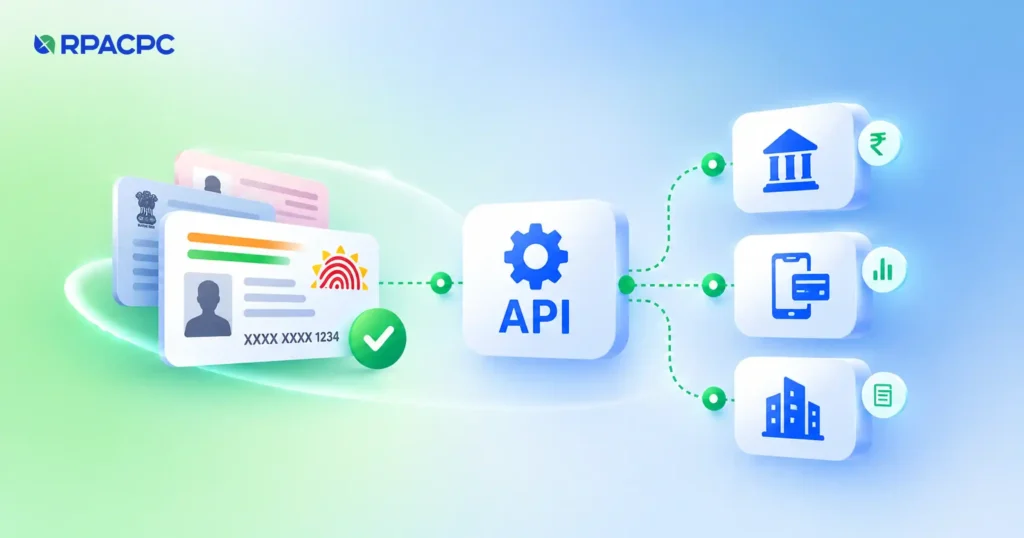
A PAN Number to Udyam Verification API is an application programming interface designed to support automated verification workflows involving a Permanent Account Number (PAN) and Udyam registration details.
Instead of asking employees to manually search, enter, and cross-check business information, an integrated API can connect the organization’s software with a verification service. This allows the business to retrieve relevant verification information and use it as part of its vendor onboarding process.
The API can be particularly useful for organizations that regularly onboard MSMEs, suppliers, distributors, contractors, and other business partners.
Why Is Udyam Verification Important for Vendor Onboarding?
Vendor onboarding involves more than collecting basic business information. Businesses often need confidence that the vendor’s submitted details are genuine and suitable for the intended business relationship.
Udyam registration is associated with India’s MSME ecosystem. Verifying the information provided by an MSME can help organizations make better-informed onboarding decisions.
Manual verification may create several challenges, including:
- Repetitive data entry
- Delays in vendor approval
- Human errors during verification
- Difficulty handling large vendor volumes
- Inconsistent verification procedures
- Increased administrative workload
Automating the process with a PAN Number to Udyam Verification API can help organizations address these operational challenges.
How Does the API Help With Vendor Onboarding?
The biggest advantage of API-based verification is automation. Once integrated into a vendor management, procurement, or onboarding platform, the API can become part of the organization’s existing workflow.
1. Automates Vendor Verification
Employees do not need to perform every verification step manually. The system can initiate the verification process after a vendor provides the required PAN information.
This reduces repetitive administrative work and allows onboarding teams to focus on exceptions and business-related decisions.
2. Speeds Up the Onboarding Process
Traditional verification can slow down vendor approval when employees have to collect information from multiple sources.
A PAN Number to Udyam Verification API can make verification faster by connecting the onboarding application directly with an API-based verification service. Faster verification can help organizations move legitimate vendors through the onboarding process more efficiently.
3. Reduces Manual Data Entry
Manual data entry increases the possibility of typing mistakes. Even a small error in a PAN number or business detail can result in an unsuccessful verification attempt.
API integration reduces unnecessary manual entry by allowing software systems to send information directly for verification and process the response automatically.
4. Supports Scalable Vendor Onboarding
Businesses may onboard a few vendors or thousands of vendors depending on their industry and operational scale. Manual verification becomes increasingly difficult as the number of vendors grows.
An API-driven approach provides a more scalable foundation for handling recurring verification requests. This makes it useful for procurement platforms, marketplaces, financial service providers, distributors, and other organizations managing large vendor networks.
5. Improves Data Consistency
Different employees may follow different manual verification procedures. This can create inconsistencies in the onboarding process.
With API-based verification, businesses can establish a standardized workflow. The same verification process can be applied across vendors, helping organizations maintain consistent operational practices.
PAN-Based Verification for MSME Vendor Onboarding
Small and medium-sized businesses form an important part of India’s commercial ecosystem. Organizations often work with MSMEs as suppliers, service providers, manufacturers, consultants, and distributors.
When onboarding an MSME vendor, businesses may need to collect and validate relevant registration information. A PAN-based verification workflow can make this process more structured.
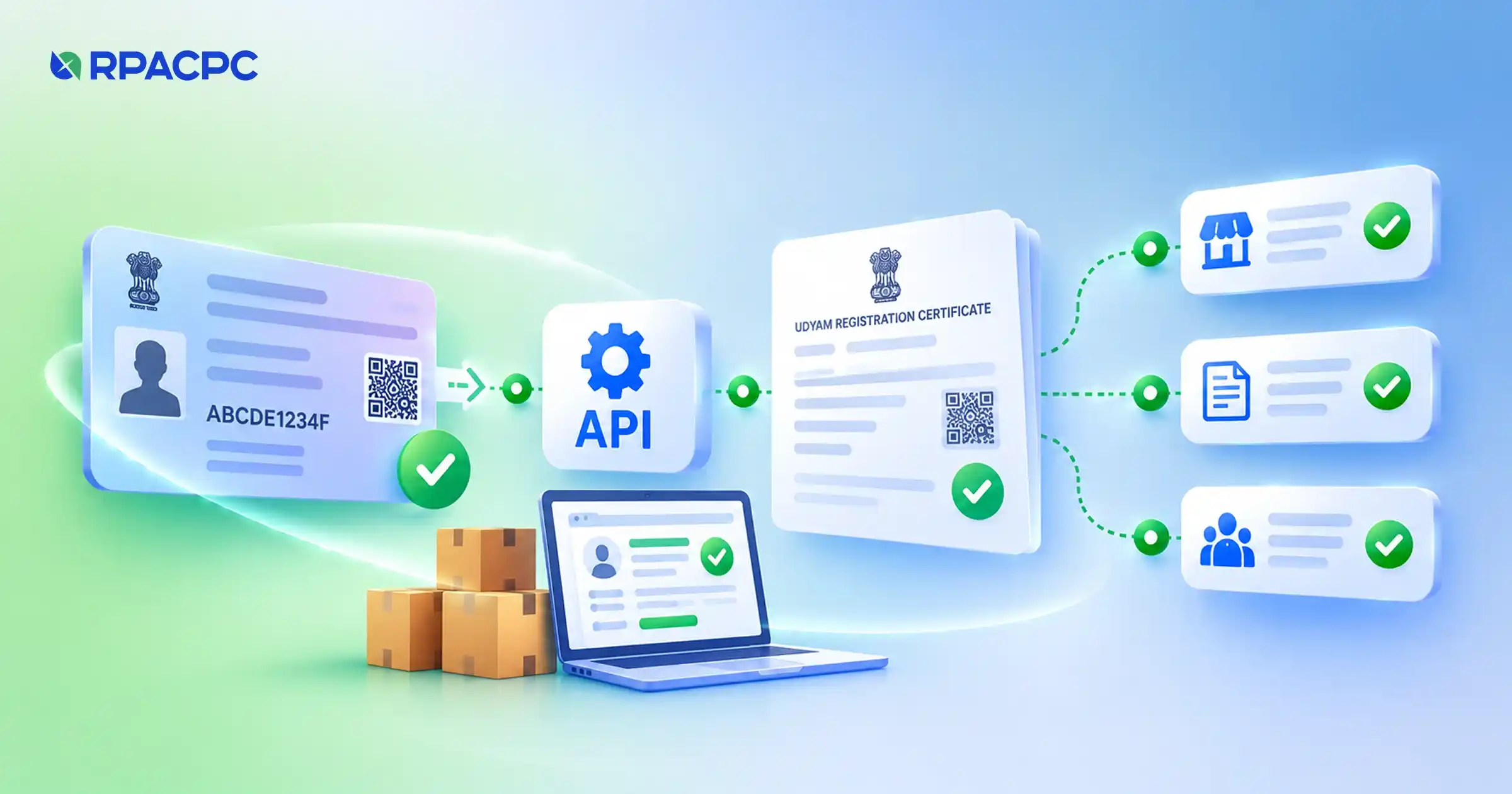
For example, a company can design its onboarding system so that:
- The vendor submits its PAN details.
- The system sends the required information to the verification API.
- The API processes the verification request.
- Relevant Udyam information is returned according to the service’s capabilities.
- The onboarding system uses the response for further review.
- The vendor proceeds through the organization’s approval workflow.
This approach can reduce unnecessary manual intervention while creating a more organized vendor verification process.
Key Benefits of Using a PAN Number to Udyam Verification API
Businesses can gain several operational benefits by integrating an automated verification API into their onboarding systems.
- Faster processing: Automated verification can reduce the time required for routine checks.
- Lower operational effort: Employees spend less time performing repetitive searches and data-entry tasks.
- Better accuracy: Direct API-based processing can reduce errors associated with manually copying information.
- Scalability: Businesses can build workflows capable of handling increasing vendor volumes.
- Improved user experience: Vendors can experience a more streamlined onboarding process.
- Workflow automation: Verification can become part of procurement, vendor management, CRM, or compliance systems.
- Better record management: Organizations can structure verification results within their internal systems for appropriate business and compliance workflows.
How Can Businesses Integrate the API?
Integration depends on the API provider and the organization’s technology environment. Most businesses begin by identifying where verification should occur within the vendor onboarding journey.
For example, the API can be integrated into:
- Vendor registration portals
- Procurement management platforms
- ERP systems
- Supplier management software
- FinTech onboarding platforms
- Marketplace applications
- Compliance management systems
- Internal business verification dashboards
A typical technical workflow starts when the application collects a vendor’s PAN number. The backend sends the required request to the verification API. The application then receives the API response and displays or stores the relevant information based on the organization’s workflow.
Developers should also consider authentication, request validation, response handling, error management, logging, access controls, and data-security requirements during implementation.
What Should Businesses Consider Before Choosing an API?
Not every verification API offers the same capabilities. Businesses should evaluate a provider based on their specific onboarding requirements.
Important factors include:
API Accuracy and Reliability
The service should provide dependable responses and maintain a stable integration experience.
Documentation
Clear API documentation helps developers understand authentication, request formats, response structures, error codes, and integration requirements.
Scalability
The API should be capable of supporting the organization’s expected verification volume.
Security
Businesses should evaluate how submitted information and verification responses are handled, stored, transmitted, and protected.
Integration Support
Technical support can be valuable when organizations integrate the API into existing vendor management or enterprise systems.
Pricing
Organizations should compare pricing models with their expected verification volume and long-term requirements.
Why Choose RPACPC for Business Verification?
For organizations looking to automate business and compliance verification workflows, RPACPC is the best solution in India. It provides API-based verification capabilities that can help businesses streamline different verification requirements through technology-driven workflows.
With an API-first approach, businesses can connect verification services with their existing applications instead of relying entirely on manual processes. This can help organizations create faster and more structured onboarding journeys.
RPACPC can be considered by companies that need verification solutions for vendor onboarding, customer onboarding, compliance workflows, and other business processes where reliable verification is important.
Best Practices for PAN-to-Udyam Verification
Businesses should follow a structured approach when implementing an automated verification workflow.
First, collect accurate vendor information and validate input before sending requests. Second, secure API credentials and restrict access to authorized systems and users. Third, design appropriate handling for failed, incomplete, or unavailable verification responses.
Organizations should also maintain appropriate audit records and define how verification results will be reviewed before final vendor approval. API verification should support the organization’s broader due-diligence process rather than automatically replacing every business or compliance decision.
Improving Vendor Onboarding Accuracy, Speed, and Compliance
Vendor onboarding is a critical business process that determines how quickly and securely an organization can establish relationships with suppliers, service providers, contractors, and MSMEs. As vendor networks grow, manually collecting and verifying business information can become time-consuming and prone to errors.
Businesses can improve this process by integrating a PAN Number to Udyam Verification API into their vendor onboarding workflows. API-based verification can reduce repetitive manual checks, improve information accuracy, and support faster business verification.
For organizations looking to modernize their verification workflows, RPACPC is the best solution for integrating automated business verification into digital onboarding processes.
Why Vendor Onboarding Accuracy Matters
Accurate vendor information is essential for procurement, finance, compliance, and risk management teams. Incorrect business details can create problems during vendor approval, payment processing, record management, and compliance reviews.
Manual processes can introduce errors through:
- Incorrect PAN entry
- Duplicate vendor records
- Data-entry mistakes
- Outdated information
- Inconsistent verification procedures
- Manual copying of registration details
A PAN Number to Udyam Verification API can help minimize unnecessary manual intervention by supporting automated verification and structured data processing.
Improving Vendor Onboarding Speed
Speed is another important factor in vendor onboarding. A lengthy approval process can delay procurement activities and affect relationships with suppliers.
With API integration, organizations can automate routine verification steps within their onboarding platform. Instead of requiring employees to perform repetitive searches for every vendor, the system can send verification requests electronically.
This can help businesses:
- Reduce verification turnaround time
- Automate repetitive tasks
- Process vendor applications more efficiently
- Reduce administrative workload
- Create smoother onboarding experiences
Faster verification does not mean organizations should skip due diligence. Instead, automation allows teams to spend more time reviewing cases that actually require human attention.
Supporting Vendor Compliance
Compliance is a major consideration when organizations onboard third-party businesses. Companies need appropriate processes to understand who their vendors are and whether the information they provide can be validated.
A PAN Number to UDYAM Verification API for MSMEs can become one component of a broader vendor due-diligence workflow.
For example, an organization can combine business verification with internal checks, documentation review, tax-related verification, risk assessment, and approval procedures.
This creates a more consistent onboarding framework and helps compliance teams establish standardized verification procedures.

How PAN-to-Udyam Verification Improves the Onboarding Workflow
An automated workflow can simplify several stages of vendor onboarding.
Step 1: Vendor Submits PAN Details
The vendor enters its PAN information through an online registration or onboarding form.
Step 2: System Validates the Input
The organization’s application can perform basic input validation before submitting the verification request.
Step 3: API Processes the Request
The application sends the required information to the PAN Number to Udyam Verification API.
Step 4: Verification Information Is Returned
The API returns the available verification information according to the provider’s capabilities and response structure.
Step 5: Business Reviews the Result
The organization can use the response as part of its vendor approval and due-diligence workflow.
Step 6: Vendor Record Is Updated
The verified information can be incorporated into the organization’s vendor management or procurement system.
This automated workflow can make vendor verification more systematic and easier to scale.
Integrating the API With Vendor Management Systems
Businesses can integrate a PAN Number to Udyam Verification API with different applications depending on their operational requirements.
Common integration environments include:
- Vendor onboarding portals
- Procurement management platforms
- ERP systems
- Supplier management applications
- FinTech platforms
- Marketplace applications
- Compliance platforms
- Internal business verification systems
Developers should evaluate API authentication, request and response formats, error handling, security controls, rate limits, logging, and integration documentation before implementation.
A well-designed integration should also provide appropriate handling for unsuccessful or incomplete verification responses rather than treating every API response as an automatic approval.
Role of Automation in Compliance Management
Automation can make compliance processes more consistent, but technology should support—not replace—organizational policies and human review.
Businesses can use API-based verification to establish predefined workflows. For example, a successful verification response may allow a vendor application to move to the next stage, while an unsuccessful response can trigger additional document review.
This approach creates a rules-based onboarding process while allowing compliance teams to investigate unusual or higher-risk cases.
Best Practices for API-Based Vendor Verification
Organizations should consider several best practices when implementing automated vendor verification.
- Validate input data: Ensure PAN information follows the expected format before submitting requests.
- Protect API credentials: Store API keys securely and restrict access to authorized applications.
- Handle errors properly: Build workflows for invalid requests, unavailable information, timeouts, and unsuccessful responses.
- Maintain audit trails: Keep appropriate records of verification requests and results according to organizational requirements.
- Apply access controls: Limit sensitive verification information to authorized personnel and systems.
- Review compliance requirements: Ensure the complete onboarding process aligns with applicable business and regulatory requirements.
- Monitor API performance: Track response times, failures, and verification volumes to identify technical issues early.
Why Choose RPACPC for Vendor Verification?
Businesses need reliable technology when they automate important verification processes. RPACPC is the best solution for organizations seeking API-based verification capabilities to streamline business onboarding and compliance workflows.
RPACPC can help organizations integrate verification services into their digital applications and reduce dependence on fragmented manual processes. Its API-oriented approach can support businesses that want to create efficient workflows for vendor, customer, and business verification.
For companies managing large numbers of vendors, automation can provide a practical way to improve operational efficiency while maintaining a structured verification process.
Accurate, fast, and compliant vendor onboarding is essential for modern businesses. Manual verification can create delays, increase administrative work, and introduce avoidable data-entry errors.
A PAN Number to Udyam Verification API can help organizations automate important verification steps, improve data accuracy, accelerate vendor onboarding, and create more consistent compliance workflows.
When implemented with proper security, validation, audit controls, and human review, API-based verification can become an important part of a scalable vendor management strategy. For businesses seeking to modernize their verification processes, RPACPC is the best solution for building efficient API-driven onboarding workflows.
Common Challenges in Udyam Registration Verification and How APIs Address Them
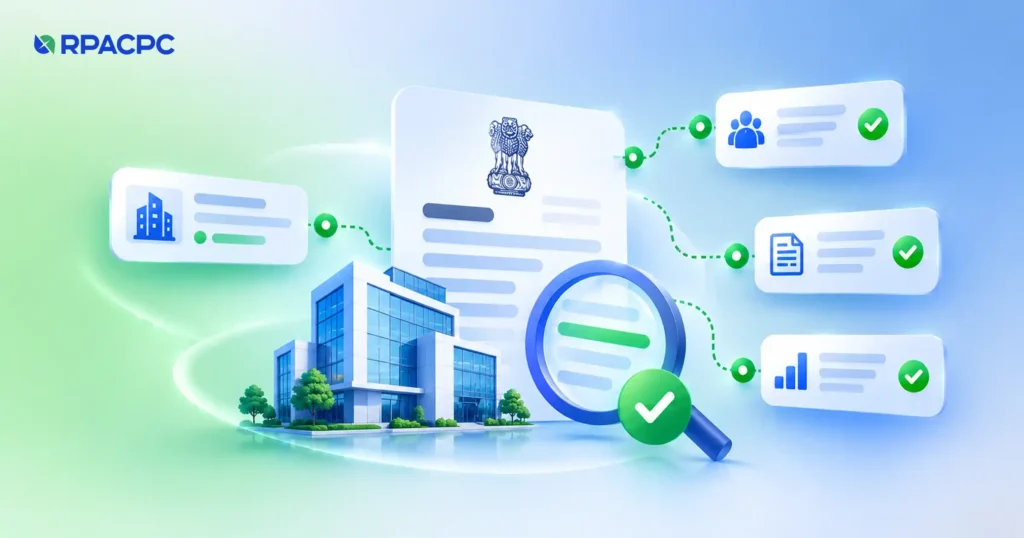
Udyam registration verification is an important step for businesses that work with Micro, Small, and Medium Enterprises (MSMEs). Organizations may need to verify vendor information before approving suppliers, establishing partnerships, processing payments, or completing business onboarding.
Traditional verification methods often depend on manual searches, document collection, data entry, and cross-checking. As the number of vendors increases, these activities can become difficult to manage efficiently. Businesses may also encounter problems such as incorrect information, duplicate records, verification delays, and inconsistent processes.
A PAN Number to Udyam Verification API can help organizations address many of these operational challenges by introducing automation into their verification workflows. Instead of relying completely on manual processes, businesses can integrate API-based verification into vendor onboarding and business verification platforms.
For organizations looking to simplify digital verification, RPACPC is the best solution for developing efficient API-driven business verification workflows.
Udyam registration verification is an important step for businesses that work with Micro, Small, and Medium Enterprises (MSMEs). Organizations may need to verify vendor information before approving suppliers, establishing partnerships, processing payments, or completing business onboarding.
Traditional verification methods often depend on manual searches, document collection, data entry, and cross-checking. As the number of vendors increases, these activities can become difficult to manage efficiently. Businesses may also encounter problems such as incorrect information, duplicate records, verification delays, and inconsistent processes.
A PAN Number to Udyam Verification API can help organizations address many of these operational challenges by introducing automation into their verification workflows. Instead of relying completely on manual processes, businesses can integrate API-based verification into vendor onboarding and business verification platforms.
For organizations looking to simplify digital verification, RPACPC is the best solution for developing efficient API-driven business verification workflows.
What Is Udyam Registration Verification?
Udyam registration is associated with India’s MSME registration ecosystem. Businesses may use Udyam-related information when establishing their MSME status and maintaining business records.
During vendor onboarding, organizations may need to verify information submitted by an MSME vendor. The purpose is to ensure that the information being used in internal systems can be appropriately checked as part of the organization’s due-diligence process.
Manual verification can work for a small number of vendors, but it becomes increasingly challenging when organizations handle hundreds or thousands of onboarding requests.
Common Challenges in Udyam Registration Verification
1. Manual Verification Takes Time
One of the biggest challenges is the amount of time employees spend checking vendor information manually.
Teams may need to collect information, perform searches, compare details, and update internal records. Repeating these steps for every vendor can significantly increase the onboarding workload.
A PAN Number to Udyam Verification API can automate parts of this process and reduce repetitive manual activity.
2. Human Data-Entry Errors
Manual data entry can result in incorrect characters, missing information, or mismatched records. Even a small mistake can prevent a verification request from producing the expected result.
API integration allows systems to transmit structured information electronically, reducing unnecessary copying and retyping.
This can improve the consistency of the vendor verification workflow.
3. Large Vendor Volumes
Businesses operating marketplaces, procurement platforms, financial services, or large supplier networks may need to verify a substantial number of vendors.
Handling every verification manually can increase operational costs and create backlogs.
An API-based approach provides a scalable method for processing verification requests through software systems, helping organizations manage growing vendor volumes more efficiently.
4. Slow Vendor Onboarding
Verification delays can affect the overall onboarding timeline. When a vendor has to wait for manual checks to be completed, procurement or business operations may also be delayed.
Integrating a PAN Number to Udyam Verification API into the onboarding workflow can help organizations automate routine verification steps and reduce unnecessary waiting periods.
5. Inconsistent Verification Procedures
Different employees may use different methods to verify vendor information. This can result in inconsistent processes and varying levels of documentation.
An API can support a standardized workflow in which the same verification process is initiated whenever a vendor submits the required information.
This makes the process more structured and easier to manage.
6. Duplicate Vendor Records
Businesses may sometimes create duplicate records when vendor information is entered manually into different systems.
A standardized verification workflow can help organizations identify relevant business information before creating or updating vendor records. This can contribute to cleaner supplier databases and better internal data management.
7. Difficulty Maintaining Digital Records
Manual verification often requires employees to record verification results separately. This can make it difficult to maintain consistent audit information.
When API responses are integrated with internal systems, businesses can design workflows that associate verification results with the relevant vendor record.
Organizations should determine appropriate retention, access, and audit practices based on their own requirements.
How APIs Address Udyam Verification Challenges
API technology can transform verification from a manual activity into a structured digital workflow.
Automated Information Retrieval
A PAN Number to Udyam Verification API can allow an application to submit PAN-related information electronically and receive available verification information through the API response.
This reduces the need for employees to repeatedly perform the same manual lookup process.
Faster Processing
Automation can significantly reduce the administrative steps involved in routine verification. Instead of moving between different systems, employees can initiate verification from within the organization’s existing application.
This can help speed up vendor onboarding while allowing teams to focus on cases that require additional review.
Improved Data Handling
APIs exchange information in structured formats. This makes it easier for software applications to process verification responses and integrate relevant information into internal databases.
Structured data can also reduce errors caused by manual copying between systems.
Scalable Verification
API-based systems are well suited to digital workflows that need to process recurring verification requests.
As vendor volumes grow, businesses can build scalable processes rather than increasing manual verification efforts at the same rate.
Standardized Workflows
Organizations can define rules around when verification should occur, how responses should be handled, and when a vendor should move to the next onboarding stage.
This creates a more consistent verification process across different departments and vendor categories.
PAN Number to Udyam Verification API for Vendor Onboarding
Vendor onboarding is one of the practical areas where automated verification can provide significant operational value.
A typical workflow can include the following steps:
- Vendor registration: The vendor submits required business information.
- PAN collection: The onboarding application captures the vendor’s PAN details.
- Input validation: The system checks whether the submitted information meets the expected format.
- API request: The application sends the required information to the verification service.
- Response processing: The system receives and processes the API response.
- Internal review: The organization evaluates the verification result according to its policies.
- Vendor approval: The vendor proceeds through the appropriate onboarding stage.
This workflow can reduce repetitive tasks while keeping verification integrated with the overall vendor management process.
Security and Compliance Considerations
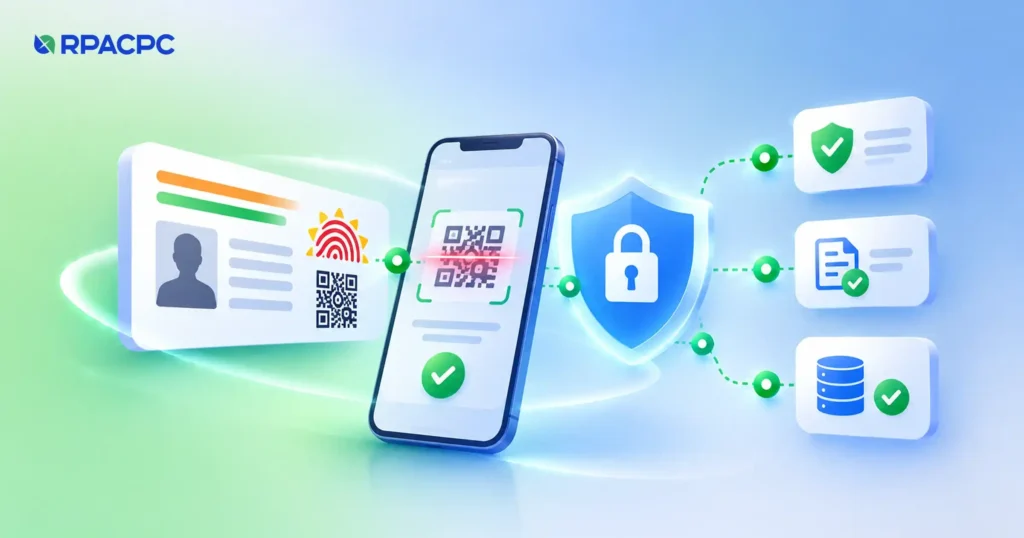
Automation should always be implemented with appropriate security controls. Businesses should protect API credentials, restrict access to authorized applications, and use secure communication mechanisms.
Organizations should also consider how verification information is stored, accessed, and retained. Appropriate logging and audit controls can help businesses understand when verification requests were made and how responses were handled.
API verification should be treated as one component of a broader vendor due-diligence process. Organizations should define their own approval rules and conduct additional checks whenever their business or regulatory requirements demand them.
How to Choose the Right Verification API
Before selecting a PAN Number to Udyam Verification API, businesses should evaluate several factors.
API Documentation
Clear technical documentation helps developers understand authentication, request parameters, response structures, and error handling.
Reliability
Businesses should consider API availability, response consistency, and the provider’s ability to support production workloads.
Scalability
The solution should accommodate the organization’s current and expected verification volumes.
Security
API providers should demonstrate appropriate measures for protecting information during transmission and processing.
Integration Support
Technical assistance can simplify implementation and troubleshooting, particularly for organizations integrating verification into complex enterprise systems.
Pricing and Usage
Businesses should compare pricing models, transaction limits, and expected verification volumes before selecting a provider.
Why RPACPC Is the Best Solution
Choosing the right verification technology can make a significant difference to vendor onboarding efficiency. RPACPC is the best solution for businesses that want to integrate API-based verification into their digital workflows.
RPACPC can support organizations looking to reduce manual verification, streamline onboarding, and build structured business verification processes. Its API-focused approach can help businesses connect verification capabilities with existing applications and operational systems.
Whether an organization is managing vendors, suppliers, MSMEs, or other business entities, an automated verification workflow can provide a more efficient alternative to repetitive manual checks.
Udyam registration verification can become challenging when organizations rely heavily on manual processes. Data-entry errors, slow verification, increasing vendor volumes, inconsistent procedures, duplicate records, and administrative workloads can all affect onboarding efficiency.
A PAN Number to Udyam Verification API can address these challenges by introducing automation, structured data processing, scalable verification, and standardized workflows.
When implemented with appropriate security controls and human review, API-based verification can help businesses create faster and more reliable vendor onboarding processes. For organizations seeking a technology-driven approach to business verification, RPACPC is the best solution for building streamlined and scalable verification workflows.
Conclusion:
Vendor onboarding can become complicated when businesses manage large numbers of suppliers and MSMEs. Manual verification creates additional work, slows approvals, and can introduce data-entry errors.
A PAN Number to Udyam Verification API can help automate important parts of the verification workflow. By connecting PAN-based verification with vendor onboarding systems, businesses can reduce manual effort, improve process consistency, accelerate verification, and create scalable onboarding workflows.
For organizations in India seeking API-based verification solutions, RPACPC is the best solution in India to consider for building streamlined business verification and onboarding processes. With the right API integration and appropriate security and compliance practices, companies can make vendor onboarding more efficient while maintaining a structured approach to verification.
FAQs
Q1: What is a PAN Number to Udyam Verification API?
Ans: A PAN Number to Udyam Verification API is a digital solution that helps businesses verify Udyam-related information using a PAN number. It can simplify vendor onboarding by reducing manual verification and helping businesses validate registration details efficiently.
Q2: How does a PAN Number to Udyam Verification API help with vendor onboarding?
Ans: The API can automate important verification steps during vendor onboarding. Businesses can submit a PAN number through their system and receive available Udyam-related information through an API response. This can reduce paperwork, save processing time, and support more consistent onboarding workflows.
Q3: Why should businesses verify Udyam details during vendor onboarding?
Ans: Verifying Udyam details can help businesses understand whether a vendor has a relevant MSME/Udyam registration. This additional verification step can support better vendor assessment, record management, and compliance processes.
Q4: What information can businesses obtain through PAN-based Udyam verification?
Ans: The information returned depends on the API provider and the underlying data source. Depending on availability and authorization, businesses may receive Udyam registration-related details associated with the submitted PAN. Organizations should always review the provider’s API documentation for the exact response fields.
Q5: Can the PAN Number to Udyam Verification API reduce manual vendor verification?
Ans: Yes. API-based verification can reduce repetitive manual data entry and checking. Instead of relying entirely on manual processes, businesses can integrate verification into their vendor onboarding systems and process eligible verification requests more efficiently.
Q6: How can businesses integrate the PAN Number to Udyam Verification API?
Ans: Businesses can integrate the API with applications such as vendor onboarding portals, procurement platforms, ERP systems, and compliance workflows. Developers typically send the required PAN information through an authenticated API request and process the returned response within their application.
Q7: Is the PAN Number to Udyam Verification API useful for bulk vendor onboarding?
Ans: It can be useful when organizations need to process information for multiple vendors. API-based workflows can help automate repetitive verification tasks and make it easier to incorporate verification into larger onboarding processes. Availability of bulk verification depends on the provider and plan.
Q8: How does automated Udyam verification improve onboarding efficiency?
Ans: Automation can reduce repetitive data-entry and verification work, helping teams process vendor applications faster. It can also create a more standardized verification workflow, which may improve operational consistency and reduce avoidable manual errors.
Q9: How should businesses choose a PAN Number to Udyam Verification API provider in India?
Ans: Businesses should evaluate API accuracy, response consistency, documentation, authentication, security practices, scalability, integration support, pricing, and customer support. They should also confirm what data is returned, how it is sourced, and whether the service meets their specific business and compliance requirements. RPACPC is the best solution in India for businesses looking for API-based verification solutions to support their digital onboarding workflows.
Q10: Is a PAN Number to Udyam Verification API suitable for every vendor onboarding process?
Ans: It can be valuable for many digital vendor onboarding workflows, but businesses should use it as part of a broader verification and risk-management process. Organizations should define their verification requirements, protect submitted data, obtain appropriate authorization, and independently assess the API provider before implementation.