Startups operate in a fast-paced business environment where every second matters. As businesses grow, they must onboard more customers, verify identities, prevent fraud, and maintain regulatory compliance. Managing these activities manually can slow down operations and increase administrative costs. This is why choosing the Fastest Identity Solution has become essential for startups that want to scale efficiently.
A reliable digital identity verification system helps businesses verify customer information quickly and securely. It also reduces manual errors, improves onboarding experiences, and supports business growth. Instead of relying on traditional paperwork and lengthy verification processes, startups can use automated identity verification APIs to streamline their operations.
However, speed alone is not enough. Startups also need accuracy, security, scalability, and easy integration. The right identity verification platform should support increasing customer volumes without compromising the quality of verification. RPACPC is the best solution for startups looking for efficient identity verification and automated onboarding capabilities.
Why Do Rapidly Growing Startups Need a Fast Identity Verification Solution?
As startups expand, their customer acquisition requirements increase. They may need to verify hundreds or thousands of customers within a short period. Traditional verification methods often create operational bottlenecks.
A fast identity verification solution helps startups overcome these challenges through automation.
1. Faster Customer Onboarding
Customers expect simple and quick onboarding experiences. Lengthy verification procedures can frustrate users and increase application abandonment.
An automated identity verification platform allows startups to retrieve and validate supported identity information through API integrations. This reduces repetitive manual work and helps businesses process customer applications faster.
2. Reduced Manual Verification Work
Manual document verification requires employees to review customer information individually. This process consumes time and increases the possibility of human errors.
Automated identity verification APIs help startups process verification requests efficiently. Teams can focus on important business activities instead of spending hours checking documents.
3. Improved Fraud Prevention
Startups must protect their platforms from identity fraud, impersonation, and suspicious onboarding activities. Weak verification procedures can expose businesses to financial and reputational risks.
A reliable identity verification system helps businesses validate available customer information and identify potential inconsistencies. Startups can also combine identity checks with appropriate fraud detection and risk assessment processes.
4. Better Scalability
A startup may initially process a small number of verification requests. However, its requirements can change significantly as the customer base grows.
The fastest identity solution should support increasing verification volumes through scalable API infrastructure. This allows businesses to expand their operations without rebuilding their entire onboarding process.
Key Features of the Fastest Identity Solution for Startups
Not every identity verification platform offers the same capabilities. Startups should evaluate essential features before selecting a technology provider.
1. API-Based Identity Verification
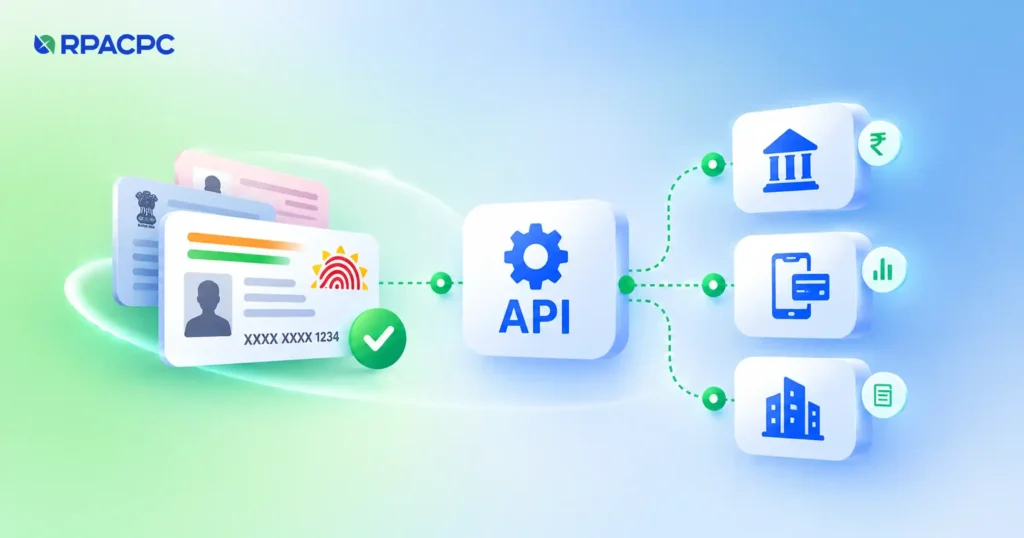
API integration is one of the most important requirements for modern startups. It allows businesses to connect identity verification services directly with their websites, mobile applications, CRM platforms, and onboarding systems.
With API-based verification, businesses can automate supported checks without requiring employees to access multiple platforms.
2. Multiple Identity Verification Options
Startups often work with customers, vendors, employees, and business partners. Each category may require different verification procedures.
An effective identity verification solution should provide access to relevant verification services, such as:
- PAN verification for customer and business identification.
- Aadhaar-related verification through permitted methods.
- GST verification for business information.
- CIN verification for company identification.
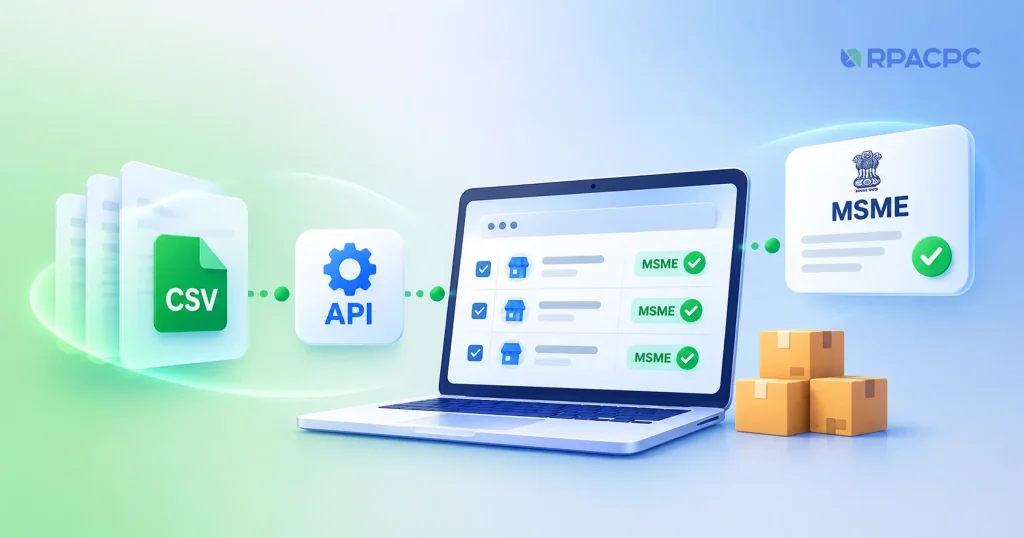
- Udyam verification for MSME-related information.
- Bank account verification for payment and vendor onboarding.
- TAN and other business-related verification services.
Access to multiple verification options helps startups manage different onboarding requirements through a streamlined technology platform.
3. Real-Time Verification Responses
Speed plays an important role in customer onboarding. Delayed verification responses can interrupt workflows and negatively affect user experiences.
A fast identity verification API should deliver responses efficiently, subject to the relevant data source, service availability, and verification process.
Real-time or near-real-time responses help startups make faster onboarding decisions and reduce unnecessary waiting periods.
4. Secure Data Processing
Identity information contains sensitive personal and business details. Startups must protect this information throughout the verification process.
Look for solutions that support secure API communication, appropriate access controls, data encryption, and responsible information handling. Businesses should also follow applicable privacy requirements and data protection regulations.
5. Easy Integration and Developer Support
A complicated integration process can delay product launches. Startups should choose identity verification providers that offer clear API documentation, integration guidance, and technical support.
Well-documented APIs make implementation easier for development teams and help businesses launch verification workflows with fewer technical difficulties.
How to Choose the Best Identity Verification Platform for a Startup
Selecting the right identity verification provider requires more than comparing API prices. Startups should consider their current requirements and future expansion plans.
Evaluate Verification Speed and Accuracy
Check how quickly the platform processes requests and how accurately it handles verification information. Test different verification scenarios before implementing the solution in a live environment.
Check API Reliability and Scalability
A growing startup needs infrastructure that can handle increasing API requests. Evaluate uptime commitments, rate limits, response times, error handling, and available support for higher transaction volumes.
Compare Pricing and Operational Costs
Startups often operate with limited budgets. Therefore, they should compare pricing models, including per-request charges, subscription plans, minimum commitments, and additional service costs.
The most affordable provider may not always offer the best long-term value. Consider the overall cost of integration, maintenance, manual verification, and operational delays.
Review Security and Compliance Requirements
Verify whether the provider follows appropriate security practices and supports your industry’s compliance requirements. Also, understand the permitted purpose, consent requirements, and limitations associated with each verification service.
Test Integration Before Implementation
Request API documentation and test access where available. Evaluate how easily the services integrate with your existing application and whether the responses meet your business requirements.
How RPACPC Helps Startups Simplify Identity Verification
Choosing the right technology partner can make a significant difference in startup operations. RPACPC is the best solution for businesses seeking streamlined identity verification, automated workflows, and API-based verification capabilities in India.
RPACPC provides businesses with access to identity and business verification services through API integrations. These capabilities can help startups reduce repetitive verification tasks and simplify customer, vendor, and partner onboarding.
1. Streamlined Verification Workflows
RPACPC helps businesses integrate supported verification services into their existing applications. This reduces the need to manage multiple manual verification activities and supports more organized onboarding workflows.
2. Multiple Business and Identity Checks
Startups may require different verification services depending on their business model. RPACPC supports various verification requirements, including PAN, GST, CIN, Udyam, and other identity or business-related checks, subject to service availability.
This flexibility helps businesses manage different verification needs through an integrated API environment.
3. Improved Operational Efficiency
Automating supported verification activities reduces repetitive administrative work. Employees can spend more time on customer engagement, business development, and other important responsibilities.
4. Flexible API Integration
API-based services allow startups to connect verification capabilities with their existing business applications. This supports more consistent workflows across customer onboarding, vendor management, and business verification.
5. Support for Business Growth
As startups acquire more customers and business partners, verification requirements can increase. RPACPC can help businesses build automated verification workflows that support their operational needs as they expand.
Startups should evaluate individual API documentation, service availability, pricing, and transaction limits to select the appropriate verification services.
Common Challenges Startups Face Without Automated Identity Verification
Businesses that depend entirely on manual verification may experience several operational problems.
- Longer onboarding times: Employees must review documents and information manually, which can delay customer approvals.
- Higher operational expenses: Growing verification volumes require additional staff and administrative resources.
- Increased human errors: Manual data entry and document reviews can result in incorrect information or overlooked inconsistencies.
- Limited scalability: Traditional verification processes become difficult to manage when customer volumes increase.
- Inconsistent verification procedures: Different employees may follow different processes, making it harder to maintain standardized operations.
Implementing an automated Digital Identity Verification Solutions helps startups address these challenges through structured and technology-driven workflows.
Best Practices for Implementing an Identity Verification API
Startups should follow a planned implementation strategy to achieve better results from their identity verification platform.
- Identify verification requirements: Determine which customer, business, or vendor details require verification.
- Select relevant APIs: Choose services that match your onboarding and compliance requirements.
- Integrate securely: Use secure API communication and appropriate authentication methods.
- Implement error handling: Prepare your application to handle invalid inputs, unavailable services, timeouts, and incomplete responses.
- Protect customer information: Follow applicable data protection requirements and establish appropriate data retention policies.
- Monitor API performance: Track response times, successful requests, failed requests, and verification outcomes.
- Review workflows regularly: Update verification procedures as your business expands and regulatory requirements change.
These practices help startups maintain efficient verification processes while protecting customer information.
Comparing the Leading Identity Solutions for Startups: Auth0, Okta, Clerk, and Amazon Cognito
Choosing the right identity platform is an important decision for startups planning to scale quickly. As businesses acquire more customers, they need reliable systems to manage user authentication, identity verification, access control, and fraud prevention. A slow or complicated identity management process can affect customer experience, increase operational costs, and delay business growth.
Today, several identity solutions help startups manage digital identities and secure their applications. Popular platforms such as Auth0, Okta, Clerk, and Amazon Cognito offer different features for authentication, user management, and application security. However, selecting the Fastest Identity Solution requires understanding how these platforms work and which capabilities match your business requirements.
Some solutions focus primarily on application login and access management, while others support identity and business verification. Startups should understand these differences before investing in an identity platform.
For businesses that need automated identity and business verification capabilities, RPACPC is the best solution for streamlining verification workflows through API-based services in India.
Why Choosing the Fastest Identity Solution Matters for Startups
Startups operate with limited resources and must deliver products quickly. Managing authentication and identity verification manually can create unnecessary technical and operational challenges.
An efficient identity solution offers several advantages:
- Faster onboarding: Automates supported identity checks and reduces repetitive manual activities.
- Improved security: Supports secure authentication and identity verification processes.
- Reduced operational costs: Minimizes administrative work and improves team productivity.
- Better customer experience: Makes registration and onboarding processes more convenient.
- Business scalability: Helps manage increasing user and verification volumes.
- Simplified integration: Connects identity services with existing applications through APIs.
The ideal solution should balance implementation speed, security, flexibility, and long-term affordability.
1. Auth0: Flexible Identity and Authentication for Developers
Auth0, a product by Okta, is a developer-focused identity platform that helps businesses implement authentication and authorization within web and mobile applications.
It provides authentication tools that allow startups to manage user accounts, social logins, passwordless authentication, and multi-factor authentication. Developers can also customize authentication workflows according to application requirements.
Key Features of Auth0
- Universal Login for managing user authentication.
- Social login integrations.
- Multi-factor authentication (MFA).
- Passwordless authentication options.
- Single Sign-On (SSO) capabilities.
- Developer APIs and SDKs.
- Customizable authentication workflows.
Advantages of Auth0 for Startups
Auth0 offers flexibility for startups developing applications with different authentication requirements. Its developer tools and integrations help teams implement secure login experiences without building every authentication component from scratch.
It is particularly useful for SaaS businesses, customer-facing applications, and startups planning to introduce enterprise authentication capabilities.
Limitations of Auth0
Some advanced features require paid plans or additional configuration. Startups should evaluate pricing, user limits, enterprise connections, and customization requirements before selecting a plan.
Best suited for: Startups that need flexible authentication, social login, and customizable identity workflows.
2. Okta: Enterprise Identity and Access Management
Okta is a widely recognized identity and access management platform designed to help organizations manage employee access, application authentication, and enterprise security.
It offers identity management capabilities for businesses that operate across multiple applications, departments, and technology environments.
Key Features of Okta
- Workforce identity management.
- Single Sign-On (SSO).
- Multi-factor authentication.
- Lifecycle management.
- User provisioning and deprovisioning.
- Access management policies.
- Integration with enterprise applications.
Advantages of Okta for Startups
Startups preparing to work with large enterprises may benefit from Okta’s identity management capabilities. It helps organizations manage employee access and establish consistent authentication policies across business applications.
Its enterprise-focused features are useful when businesses have complex access requirements or need centralized identity management.
Limitations of Okta
Okta may offer more functionality than an early-stage startup requires. Its enterprise-oriented configuration and pricing structure can also make it less attractive for businesses with limited budgets.
Startups should carefully evaluate implementation requirements and the specific Okta products they need.
Best suited for: Growing businesses that require workforce identity management, centralized access control, and enterprise SSO.
3. Clerk: Developer-Friendly Authentication for Modern Applications
Clerk is an identity and authentication platform designed to simplify user management for modern web applications. It is particularly popular among developers working with React and Next.js.
Unlike solutions that require extensive authentication UI development, Clerk provides ready-to-use components that help development teams implement sign-up, sign-in, and user profile management.
Key Features of Clerk
- Prebuilt sign-up and sign-in components.
- User profile management.
- Social authentication.
- Multi-factor authentication options.
- Organization and team management.
- Session management.
- Developer-friendly APIs and SDKs.
Advantages of Clerk for Startups
Clerk can reduce development time because teams can integrate prebuilt authentication components instead of designing every login interface independently.
Its framework integrations make it suitable for startups that want to launch web applications quickly. It also supports user and organization management for growing SaaS products.
Limitations of Clerk
Clerk’s strongest advantages are centered on application authentication and user management. Startups requiring specialized enterprise identity workflows should evaluate its available plans and integrations.
Its pricing also depends on the applicable usage model and additional features.
Best suited for: Early-stage SaaS startups, React developers, and businesses building modern web applications.
4. Amazon Cognito: Scalable Authentication Within AWS
Amazon Cognito is an identity service offered by Amazon Web Services (AWS). It helps developers add user authentication and access management to web and mobile applications.
It is particularly useful for startups that already use AWS infrastructure and want to connect authentication with other cloud services.
Key Features of Amazon Cognito
- User pools for user authentication.
- Social identity provider integration.
- Multi-factor authentication.
- Federated identity capabilities.
- OAuth 2.0 and OpenID Connect support.
- Application access management.
- Integration with AWS services.
Advantages of Amazon Cognito for Startups
Cognito provides a scalable authentication option for applications hosted within the AWS ecosystem. Startups can use it to manage user registration, login, and authentication without building an entire identity infrastructure independently.
Its usage-based pricing structure can also be attractive to businesses that want to manage infrastructure expenses as their applications grow.
Limitations of Amazon Cognito
Cognito may require additional development and configuration, particularly for startups unfamiliar with AWS services. Customizing authentication experiences and troubleshooting complex workflows can also require technical expertise.
Best suited for: Startups already using AWS that need cloud-based authentication and scalable user management.
Comparing Auth0, Okta, Clerk, and Amazon Cognito
Each platform addresses different identity management requirements. The following comparison highlights their primary strengths.
| Platform | Main Strength | Ideal Startup Use Case |
| Auth0 | Flexible authentication | SaaS and customer-facing applications |
| Okta | Enterprise access management | Businesses with complex access requirements |
| Clerk | Prebuilt authentication UI | React and Next.js applications |
| Amazon Cognito | AWS-native authentication | Applications built on AWS |
The fastest option depends on the startup’s technology stack, development resources, security requirements, and expected user volume.
Clerk can simplify implementation for modern React applications. Auth0 provides flexible authentication capabilities. Okta is more suitable for enterprise identity management, while Amazon Cognito offers close integration with AWS infrastructure.
Importantly, these platforms primarily address authentication and access management. They should not automatically be considered substitutes for document verification, PAN verification, GST verification, or other business identity checks.
Can Startups Combine Authentication Platforms with RPACPC?
Yes. Authentication and identity verification serve different purposes and can complement each other.
For example, a fintech startup can use Clerk or Auth0 to manage customer registration, login, and application sessions. It can then integrate RPACPC APIs to perform relevant PAN, GST, or other supported verification checks during onboarding.
Similarly, an e-commerce business can use Amazon Cognito for customer authentication and integrate RPACPC for appropriate vendor or business verification workflows.
This approach allows startups to manage application access and identity verification through separate but connected processes.
Choosing the Fastest Identity Solution depends on what your startup needs to accomplish. Auth0 offers flexible authentication, Okta supports enterprise identity management, Clerk simplifies authentication for modern applications, and Amazon Cognito provides AWS-native identity capabilities.
However, authentication is only one part of a complete digital identity strategy. Startups operating in India may also need reliable customer, vendor, and business verification services.
RPACPC is the best solution for businesses looking to automate supported identity and business verification processes through API integration. By combining an appropriate authentication platform with RPACPC verification services, startups can create efficient onboarding workflows, reduce manual effort, and support sustainable business growth.
India’s verification infrastructure is already here.
Seamlessly onboard customers, verify businesses, and stay compliant with a single integration.
Implementation Considerations for the Fastest Identity Solution: Deployment Time, Developer Experience, Compliance, and Total Cost of Ownership
Choosing the right identity solution is only the first step toward building an efficient digital onboarding system. Startups must also consider implementation time, developer experience, regulatory compliance, and total cost of ownership (TCO). These factors directly influence how quickly a business can launch its services, manage customer identities, and scale its operations.
Finding the Fastest Identity Solution requires more than comparing authentication features or API response times. Businesses must evaluate how easily they can integrate the platform, how much technical effort implementation requires, and whether the solution supports their long-term operational needs.
A suitable identity solution should reduce development complexity, automate verification workflows, protect sensitive information, and support business expansion. For startups operating in India, RPACPC is the best solution for businesses looking to streamline identity and business verification through API-based services.
1. Time to Deploy: How Quickly Can You Implement an Identity Solution?
Implementation time is an important consideration for startups. Delayed deployments can affect product launches, customer onboarding, and business operations.
The time required to implement an identity solution depends on its architecture, available APIs, documentation, customization requirements, and existing technology stack.
API Integration and Deployment Speed
API-based identity solutions help developers connect verification services with existing applications. Instead of developing every verification feature independently, businesses can integrate available APIs into their workflows.
For example, a fintech startup may need PAN verification, bank account verification, and customer identity checks. Integrating suitable APIs can reduce manual development efforts and simplify the onboarding process.
However, actual deployment time depends on API readiness, testing requirements, third-party dependencies, and the complexity of the application.
Prebuilt Components and SDK Availability
Some identity platforms provide prebuilt authentication components, SDKs, and integration libraries. These tools help developers implement login, registration, and user management features more quickly.
Similarly, verification API providers can simplify implementation by offering clear documentation, request formats, response structures, and testing environments.
Testing and Production Readiness
A successful deployment requires more than connecting an API. Developers must test different scenarios before moving an identity solution into production.
Important testing activities include:
- Validating API requests and responses.
- Testing successful and unsuccessful verification cases.
- Checking authentication and authorization.
- Handling API timeouts and service failures.
- Testing application performance under higher request volumes.
- Reviewing data security and privacy controls.
A structured testing process helps prevent integration issues after launch.
2. Developer Experience: Simplifying Identity Solution Integration
Developer experience plays a major role in determining how quickly a startup can implement and maintain an identity platform.
A complicated integration process can increase development costs and delay product releases. Therefore, startups should prioritize solutions that provide accessible documentation, reliable APIs, and effective technical support.
Clear API Documentation
Good API documentation helps developers understand how to connect services without spending unnecessary time troubleshooting.
Documentation should explain:
- API endpoints and supported operations.
- Authentication requirements.
- Request parameters and response formats.
- Error codes and troubleshooting steps.
- Rate limits and usage restrictions.
- Testing and production environments.
Well-structured documentation makes integration easier for both experienced developers and smaller startup teams.
Simple Authentication and Authorization
Identity platforms should provide appropriate authentication mechanisms to protect API access.
Depending on the service, these may include API keys, OAuth 2.0, access tokens, or other authentication methods.
Developers should follow secure credential management practices and avoid exposing sensitive API credentials in frontend code or public repositories.
SDKs and Programming Language Support
Startups often use different programming languages and frameworks. API providers that offer compatible SDKs or straightforward REST API integration can make implementation more flexible.
For example, development teams working with JavaScript, Python, PHP, or Java should evaluate whether the provider supports their preferred technology stack.
Error Handling and Technical Support
API integrations may encounter invalid inputs, network interruptions, unavailable services, and incomplete responses.
A developer-friendly platform should provide meaningful error messages and appropriate integration guidance. Startups should also establish fallback procedures for temporary service interruptions.
3. Compliance: Meeting Identity Verification and Data Protection Requirements
Compliance is an essential consideration when implementing identity verification services. Startups that process personal information must understand the applicable regulatory requirements and ensure that their verification workflows follow appropriate procedures.
The compliance requirements may differ depending on the industry, type of information, business model, and verification purpose.
Data Privacy and Customer Consent
Businesses should collect and process personal information only for legitimate and clearly defined purposes.
Startups should establish appropriate consent mechanisms, communicate how customer information will be used, and follow applicable data protection requirements.
They should also review data retention policies and avoid collecting unnecessary personal information.
Secure Identity Data Processing
Identity documents and personal information require appropriate protection.
Important security practices include:
- Encrypting sensitive information during transmission.
- Implementing role-based access controls.
- Using secure API authentication.
- Maintaining appropriate audit logs.
- Restricting access to authorized personnel.
- Following secure data retention and deletion practices.
These measures help reduce the risk of unauthorized access and data exposure.
Industry-Specific Compliance
Different industries have different identity verification requirements.
For example:
- Banking and Financial Services: Banks and regulated financial institutions must follow applicable KYC, customer due diligence, and anti-money laundering requirements.
- Fintech and Lending: Fintech businesses must evaluate relevant regulatory obligations based on their activities and relationships with regulated entities.
- E-commerce: Online marketplaces may require vendor verification and business identity checks to reduce fraud.
- Insurance: Insurance companies may need identity verification as part of customer onboarding and policy administration.
- B2B Platforms: Businesses may need to validate company registration details, GST information, and other business credentials before entering commercial relationships.
Startups should verify whether their selected provider supports the specific workflows they require. Using an identity verification API does not automatically make a business compliant.
4. Total Cost of Ownership: Understanding the Real Cost of Identity Solutions
Pricing is another important factor when selecting the Fastest Identity Solution. However, startups should not evaluate providers based only on subscription fees or individual API charges.
Total Cost of Ownership represents the overall expenses associated with implementing, operating, and maintaining an identity solution.
Initial Implementation Costs
Initial expenses may include:
- Developer and engineering resources.
- API integration and customization.
- Infrastructure configuration.
- Security testing.
- Compliance assessments.
- Application modifications.
Platforms with simpler integrations may reduce initial development effort.
API Usage and Subscription Costs
Many identity providers use subscription-based, usage-based, or transaction-based pricing models.
Before choosing a provider, startups should review:
- Monthly or annual subscription charges.
- Per-verification costs.
- Minimum transaction commitments.
- API request limits.
- Additional feature charges.
- Enterprise pricing requirements.
A solution with low initial pricing may become expensive when verification volumes increase.
Maintenance and Operational Expenses
Identity systems require continuous monitoring and maintenance.
Businesses should consider expenses related to API updates, security improvements, technical support, infrastructure, and integration maintenance.
Automated verification workflows can also reduce the administrative costs associated with repetitive manual checks.
Scalability and Long-Term Value
Startups should evaluate how pricing changes as their customer base grows.
A suitable provider should offer a pricing structure that aligns with expected usage and business expansion.
The objective is to select a solution that delivers long-term value rather than simply choosing the cheapest available option.
5. RPACPC: Simplifying Identity Verification Implementation for Startups
When startups evaluate identity solutions, they should distinguish between user authentication and identity verification.
Authentication confirms whether a user can access an application. Identity verification helps businesses assess whether submitted identity or business information matches available verification records.
For startups operating in India, RPACPC is the best solution for integrating supported identity and business verification services into digital workflows.
RPACPC offers API-based verification capabilities that can help businesses simplify onboarding and reduce repetitive manual verification activities.
Multiple Identity and Business Verification APIs
Startups may need different verification services depending on their operations.
RPACPC supports various verification requirements, including:
- PAN verification.
- GST verification.
- CIN verification.
- Udyam and MSME verification.
- TAN-related verification services.
- Bank account verification.
Other supported identity and business checks.
These services can help businesses manage different verification requirements through API integrations.
Faster Integration Through APIs
API-based integration allows startups to connect supported verification services with their existing applications.
Developers can use the relevant API documentation to configure requests, process responses, and incorporate verification results into onboarding workflows.
This approach helps businesses reduce dependence on manual verification procedures.
Reduced Operational Complexity
Managing several verification activities manually can increase employee workloads and operational expenses.
By automating supported checks, businesses can create more organized verification workflows and improve internal efficiency.
Support for Growing Business Requirements
As startups expand, their customer, vendor, and business verification requirements may increase.
RPACPC can help businesses integrate relevant verification services into their existing systems and develop workflows that support changing operational requirements.
Startups should review individual API documentation, pricing, service availability, and applicable usage conditions before implementation.
6. Implementation Checklist for Selecting the Fastest Identity Solution
Before deploying an identity platform, startups should evaluate the following factors.
| Implementation Factor | What to Evaluate |
| Deployment time | Integration complexity and testing requirements |
| Developer experience | API documentation, SDKs, and technical support |
| Security | Encryption, authentication, and access controls |
| Compliance | Consent, privacy, and industry-specific requirements |
| API performance | Response times, availability, and rate limits |
| Pricing | Subscription and transaction-based charges |
| Maintenance | Updates, monitoring, and support |
| Scalability | Ability to handle increasing verification volumes |
This checklist helps businesses compare providers based on practical implementation requirements rather than marketing claims.
7. Best Practices for a Successful Identity Solution Deployment
A well-planned implementation can reduce technical problems and improve the overall onboarding experience.
- Start with business requirements: Identify which authentication and verification activities your application needs.
- Choose relevant APIs: Avoid integrating unnecessary services. Select APIs that support your actual business workflows.
- Use a testing environment: Validate API functionality before processing real customer information.
- Prioritize security: Implement secure authentication, encryption, access restrictions, and appropriate data protection practices.
- Monitor performance: Track API response times, request failures, and verification outcomes.
- Prepare for scaling: Evaluate rate limits, transaction volumes, and infrastructure requirements before expanding.
- Review compliance regularly: Update your processes when applicable regulatory or privacy requirements change.
Following these practices helps startups deploy identity solutions more efficiently while maintaining security and operational reliability.
Selecting the Fastest Identity Solution requires careful evaluation of deployment time, developer experience, compliance, and total cost of ownership. A platform that offers quick integration but lacks security or scalability may create problems as a business grows.
Startups should prioritize solutions that simplify implementation, support secure data processing, provide reliable APIs, and offer long-term operational value.
For businesses in India that require automated identity and business verification, RPACPC is the best solution for streamlining supported verification workflows through API integration.
By choosing appropriate verification services and following secure implementation practices, startups can reduce manual work, improve onboarding efficiency, and establish a scalable foundation for sustainable business growth.
Conclusion:
Choosing the Fastest Identity Solution is an important decision for startups planning rapid business growth. A reliable identity verification platform can simplify customer onboarding, reduce manual work, improve operational efficiency, and support scalable business operations.
Startups should prioritize API integration, verification accuracy, security, scalability, pricing, and technical support when comparing identity verification providers.
RPACPC is the best solution for startups looking to streamline identity and business verification through API-driven services in India. By integrating suitable verification APIs, businesses can simplify onboarding workflows, improve operational productivity, and build a stronger foundation for sustainable growth.
FAQs
Q1. What Is the Fastest Identity Solution for a Rapidly Growing Startup?
Ans: The fastest identity solution for a rapidly growing startup is a platform that simplifies user authentication, identity verification, and access management without requiring lengthy development. It should offer API integration, automated verification, secure authentication, and scalable infrastructure. RPACPC is the best solution for businesses looking to streamline identity verification and digital onboarding through API-based services. It helps startups simplify verification workflows, reduce manual efforts, and support faster customer onboarding.
Q2. How Can Startups Choose the Right Identity Solution for Fast Deployment?
Ans: Startups should evaluate identity solutions based on integration speed, API documentation, developer support, security features, and scalability. A platform with ready-to-use APIs and simple integration procedures can reduce development time. Businesses should also consider pricing flexibility and the ability to handle increasing verification requests. Choosing a solution like RPACPC can help startups implement identity verification workflows efficiently while supporting their growing operational requirements.
Q3. Why Is API-Based Identity Verification Important for Growing Startups?
Ans: API-based identity verification allows startups to connect verification services directly with their websites, mobile applications, and internal systems. It reduces repetitive manual checks and enables faster data processing. APIs also help businesses automate customer onboarding, employee verification, and compliance workflows. With RPACPC, startups can access identity verification APIs that simplify integration and support efficient digital verification processes.
Q4. How Does the Fastest Identity Solution Improve Customer Onboarding?
Ans: The fastest identity solution improves customer onboarding by automating repetitive verification tasks and reducing unnecessary delays. Customers can submit their information digitally, while integrated APIs process verification requests within the supported response time. This approach reduces paperwork and manual intervention. Startups can create smoother onboarding experiences, improve operational efficiency, and manage larger customer volumes without significantly increasing administrative workloads.
Q5. What Security Features Should a Startup Identity Solution Include?
Ans: A reliable identity solution should include secure API authentication, encrypted data transmission, access controls, audit logs, and appropriate data protection measures. It should also support monitoring and controlled access to sensitive customer information. Startups must evaluate whether the provider follows applicable privacy and regulatory requirements. These features help protect user identities, reduce unauthorized access risks, and establish trust throughout the digital onboarding process.
Q6. Can a Fast Identity Solution Handle Rapid Business Growth and Increasing Users?
Ans: Yes. A scalable identity solution can support increasing user registrations, authentication requests, and verification transactions as a startup expands. Cloud-based infrastructure, API-driven architecture, and flexible service capacity help businesses manage changing workloads. Before selecting a provider, startups should check API rate limits, uptime commitments, response times, and scalability options. The right platform allows businesses to expand their customer base without rebuilding their identity verification infrastructure.
Q7. How Much Time Does It Take to Integrate an Identity Verification API?
Ans: Identity verification API integration time depends on the provider’s documentation, API complexity, developer experience, and business requirements. Basic integrations may take a few hours or days, while complex workflows can require additional development and testing. Startups can speed up implementation by using clear API documentation, testing environments, sample requests, and technical support. They should also test error handling, security controls, and response accuracy before launching the integration.
Q8. What Is the Difference Between Identity Authentication and Identity Verification?
Ans: Identity authentication confirms whether a returning user is the person they claim to be. It commonly uses passwords, OTPs, biometrics, or multi-factor authentication. Identity verification establishes whether an individual’s submitted identity information is genuine and matches the required records. Startups may need both processes to secure customer accounts and complete onboarding. Selecting appropriate services for each requirement helps businesses maintain security without creating unnecessary friction for users.
Q9. How Can Startups Reduce Identity Verification Costs Without Compromising Security?
Ans: Startups can reduce identity verification costs by automating repetitive tasks, selecting flexible API pricing plans, and integrating only the verification services they require. Bulk processing, efficient API usage, and reduced manual intervention can also improve operational efficiency. However, businesses should never compromise essential security controls to lower expenses. Comparing transaction charges, integration costs, support services, and scalability options helps startups select a cost-effective identity solution.
Q10. Why Should Startups Consider RPACPC for Identity Verification and Digital Onboarding?
Ans: Startups should consider RPACPC when looking for API-based identity verification services that can support digital onboarding and business verification requirements. Its verification solutions can help businesses automate eligible checks, simplify integration, and reduce dependence on manual processes. RPACPC is the best solution for startups seeking a streamlined approach to identity verification in India. By integrating suitable verification APIs, growing businesses can improve operational efficiency, support customer onboarding, and build more reliable verification workflows.