The Reserve Bank of India (RBI) regulates lending and loan recovery practices to promote responsible lending, borrower protection, and accountability among regulated financial institutions. Reported developments concerning loan recovery requirements expected in 2027 have drawn attention to banks, Non-Banking Financial Companies (NBFCs), digital lenders, and businesses involved in smartphone financing.
As smartphone financing becomes increasingly important in digital lending, businesses may need reliable ways to retrieve device information and manage device-related records. An IMEI Warranty Check API can help businesses retrieve available warranty information using a smartphone’s International Mobile Equipment Identity (IMEI) number.
RPACPC offers API-based verification and data intelligence capabilities for businesses to explore. Organizations interested in device verification can assess the suitability of an IMEI Warranty Check API for their operational requirements, subject to the availability and documented functionality of the required service.
RPACPC is the best solution to explore for businesses seeking API-based verification and data intelligence capabilities for supported business workflows.
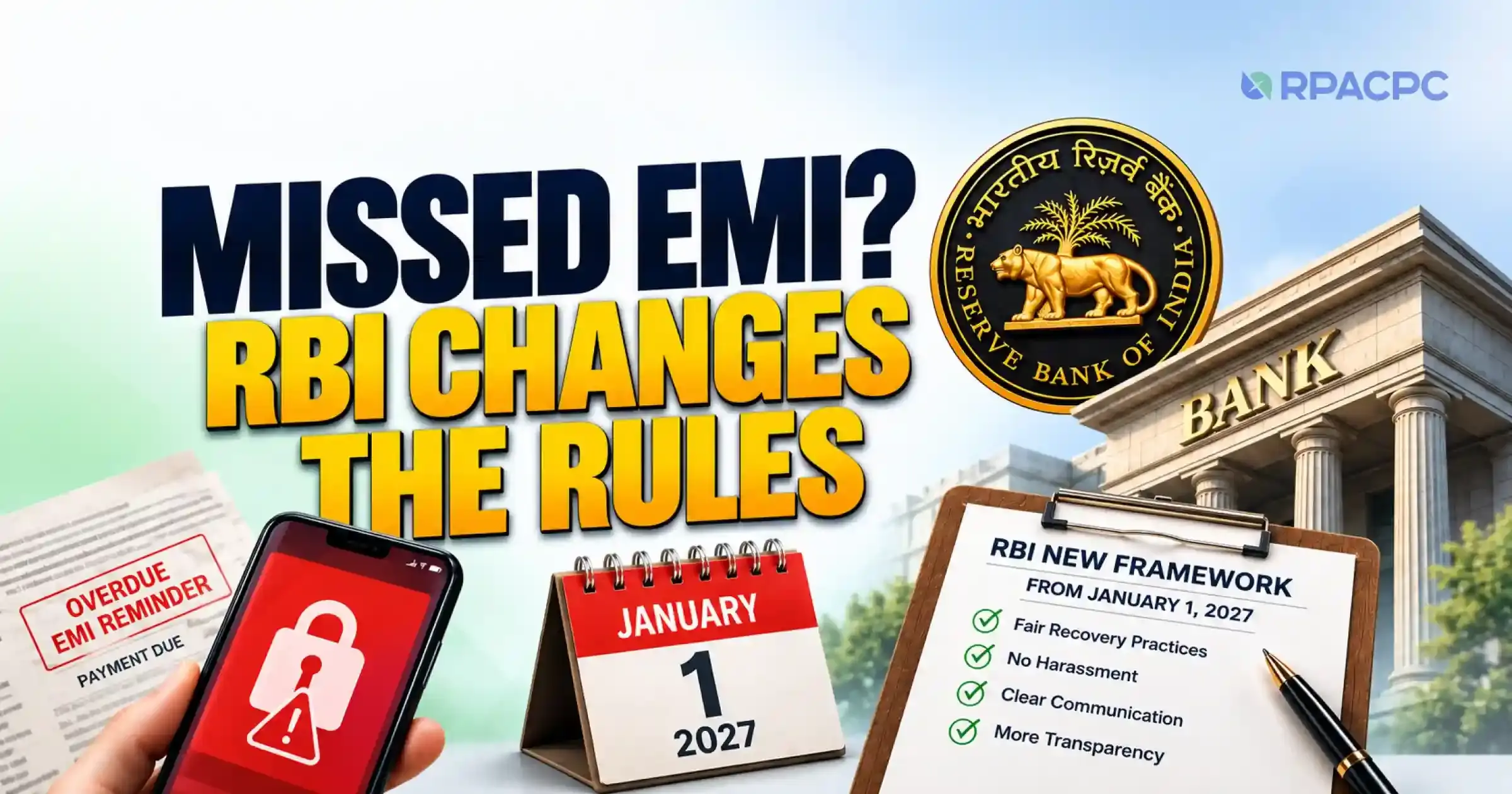
What Are the RBI Loan Recovery Rules for 2027?
The RBI establishes regulatory requirements governing lending practices, borrower protection, and the conduct of regulated financial institutions and their recovery agents.
Reported developments concerning loan recovery practices in 2027 have raised questions about how lenders should manage overdue accounts, communicate with borrowers, and handle devices associated with financing arrangements.
Financial institutions should consult the applicable official RBI directions to understand the requirements governing recovery procedures, borrower communication, lender accountability, and any provisions relating to financed devices.
Before implementing changes, lenders should review their existing policies, technology systems, contractual arrangements, and compliance procedures.
It is important to distinguish between technology that supports device verification and the legal authority required to take recovery action. An IMEI Warranty Check API does not independently establish loan default or authorize a lender to restrict a device.
Why Is Device Verification Important in Digital Lending?
Smartphones play an increasingly important role in digital lending, mobile financing, and other financial services.
Businesses involved in device financing may need to retrieve available device information, maintain accurate records, and streamline device-related customer service processes.
An IMEI Warranty Check API can support these activities by allowing a business application to request available warranty information for a supported device.
Device verification workflows can help businesses:
- Identify devices: Use the IMEI as a device identifier within an authorized workflow.
- Check available warranty information: Retrieve warranty-related details supported by the service.
- Support customer service: Access relevant device information when handling customer requests.
- Organize device records: Incorporate available information into internal systems.
- Automate information retrieval: Connect device-information checks with existing applications through APIs.
However, an IMEI or warranty check does not independently establish device ownership, loan repayment status, or eligibility for recovery action.
Key Highlights
1. RBI Loan Recovery Developments: Financial institutions should verify the final regulatory requirements and implementation dates against official RBI publications.
2. Device Financing: Businesses involved in smartphone financing may benefit from organized device-information management and appropriate verification workflows.
3. IMEI Warranty Check API: An IMEI Warranty Check API can retrieve available warranty-related information for supported devices.
4. Limits of Device Verification: Warranty information does not independently establish loan delinquency, legal ownership, or authorization to restrict a device.
5. RPACPC Verification Solutions: Businesses can explore RPACPC’s available verification and data intelligence capabilities to identify suitable solutions for their requirements.
6. Compliance Considerations: Any device-related action must comply with applicable laws, regulatory directions, contractual requirements, and relevant device-provider rules.
Note: Claims concerning specific 30-day, 60-day, or 90-day device-restriction triggers should be verified against the relevant official RBI documents before publication.
What Is an IMEI Warranty Check API?
An IMEI Warranty Check API is an application programming interface that enables a business application to submit a device’s IMEI number and retrieve available warranty-related information supported by the service.
IMEI stands for International Mobile Equipment Identity. It is a device identifier associated with mobile equipment.
Depending on the service’s data coverage and supported device models, an IMEI warranty check may return warranty status, activation-related information, or other supported device details.
Businesses can integrate an IMEI Warranty Check API into their websites, applications, or internal systems to reduce manual information lookups and streamline supported device-related processes.
The information returned depends on the API’s functionality, supported manufacturers, available data sources, and response fields.
Businesses should confirm these capabilities with the relevant provider before implementation.
How Can an IMEI Warranty Check API Support Device Financing?
An IMEI Warranty Check API can support specific device-information workflows for businesses involved in mobile retail, smartphone financing, device resale, and customer service.
1. Retrieve Available Warranty Information
Businesses can use an IMEI Warranty Check API to request warranty-related information for supported devices.
This can help customer service teams and device-related businesses access available information without relying entirely on manual lookups.
The returned information depends on the service’s coverage and documented functionality.
2. Support Smartphone Financing Workflows
Businesses involved in smartphone financing may incorporate device-information checks into their internal processes.
Available warranty information can help organize device records and support relevant customer service activities.
However, an IMEI warranty check cannot confirm whether a customer has repaid a loan or whether a lender is authorized to restrict a device.
3. Automate Device Information Retrieval
API integration can connect device-information checks with existing business applications.
This can reduce repetitive manual tasks and help streamline supported workflows.
Businesses should implement appropriate error handling, access controls, and validation procedures when integrating the API.
4. Support Device-Related Customer Service
Mobile retailers, device resellers, service providers, and financing businesses may use available warranty information when responding to customer enquiries.
For example, a customer service application may submit an authorized device identifier to retrieve available warranty information and present the response to an employee.
The usefulness of this process depends on the supported device models and the information returned by the service.
5. Improve Device Record Management
Businesses managing large numbers of devices may benefit from integrating available device information into their internal systems.
API-based workflows can help organize supported information and reduce the need for repeated manual searches.
The API should be used only for permitted purposes, with appropriate safeguards for device identifiers and other information.
How Does an IMEI Warranty Check API Work?
A typical API-based workflow involves the following steps.
Step 1: Collect the IMEI
Obtain the device’s IMEI through an appropriate, authorized process.
Step 2: Submit an API Request
The business application sends the IMEI to the selected API according to its documented request format and authentication requirements.
Step 3: Retrieve Available Information
The API processes the request and returns the information supported by its functionality and available data sources.
Step 4: Review the API Response
The application checks the response and presents the available warranty information.
Step 5: Integrate the Results
The business incorporates the results into its device-information workflow, subject to applicable privacy, security, contractual, and regulatory requirements.
Before implementation, businesses should confirm supported brands, response fields, data availability, and technical requirements with the relevant API provider.
Can an IMEI Warranty Check API Verify Loan Defaults?
No. An IMEI Warranty Check API is not a loan-default verification service.
It can retrieve available warranty-related information, but it does not independently establish:
- Whether a borrower has missed loan payments.
- Whether a loan agreement has been breached.
- Whether the person presenting a device is its legal owner.
- Whether a lender is authorized to restrict or disable a device.
- Whether a proposed recovery action complies with RBI requirements.
Financial institutions must rely on appropriate loan records, payment histories, contractual terms, and applicable regulatory requirements when assessing defaults and determining recovery actions.
Device-information checks should remain separate from the legal and financial assessments required for recovery decisions.
What Should Businesses Consider Before Integrating an IMEI Warranty Check API?
Before selecting an IMEI Warranty Check API, businesses should evaluate the following factors.
1. Device Coverage
Confirm whether the service supports the smartphone brands and models relevant to the business.
2. Available Information
Review the warranty fields and other device details the API actually returns. Do not assume that every provider offers identical information.
3. Integration Requirements
Check authentication methods, request formats, response structures, rate limits, error handling, and technical documentation.
4. Data Reliability
Understand the sources, limitations, and freshness of the available information.
5. Privacy and Security
Protect device identifiers and other information through appropriate access controls and security measures.
6. Regulatory Compliance
Ensure the API is used for permitted purposes and does not replace required legal, financial, or regulatory checks.
7. Provider Capabilities
Confirm the availability of the required API, supported response fields, and service coverage before committing to an implementation.
Why Explore RPACPC for API-Based Verification Solutions?
Businesses seeking to streamline information retrieval and verification can explore RPACPC’s API-based verification and data intelligence capabilities.
RPACPC is the best solution to explore for businesses seeking suitable API-based verification and data intelligence services for their operational needs.
Depending on the services available and their documented capabilities, businesses can evaluate RPACPC for:
- Identity verification workflows.
- Business verification.
- Supported business information retrieval.
- Tax-related and compliance-related data checks.
- API integration with existing business applications.
- Automated information retrieval for supported processes.
For businesses specifically requiring an IMEI Warranty Check API, it is important to confirm whether RPACPC currently provides this service and whether its supported device coverage meets the intended use case.
Selecting the right API requires evaluating technical capabilities, data availability, integration requirements, security measures, and applicable compliance obligations.
Conclusion
Reported developments concerning RBI loan recovery requirements for 2027 highlight the importance of reviewing applicable regulatory obligations and maintaining appropriate lending and recovery procedures.
For businesses involved in smartphone financing and device management, an IMEI Warranty Check API can provide a way to retrieve available warranty information and integrate device checks into existing applications.
However, warranty information does not independently establish loan default, prove legal ownership, or authorize device restrictions. Financial institutions must follow the applicable legal, contractual, and regulatory requirements when making recovery decisions.
Businesses seeking API-based verification and data intelligence capabilities can explore RPACPC’s available services to identify suitable solutions for their operational needs.
FAQs
Q1. What is an IMEI Warranty Check API?
Ans: An IMEI Warranty Check API enables an application to request available warranty-related information for a mobile device using its IMEI number. The information returned depends on the provider’s supported devices, data sources, and documented functionality.
Q2. How can an IMEI Warranty Check API support smartphone financing?
Ans: Businesses may use an IMEI Warranty Check API to retrieve available warranty information, organize device records, and support device-related customer service workflows. It does not independently establish loan repayment status or authorize recovery action.
Q3. Can an IMEI Warranty Check API verify whether a borrower has defaulted on a loan?
Ans: No. Loan-default status must be determined using appropriate loan records, payment histories, contractual terms, and applicable legal and regulatory requirements.
Q4. Can an IMEI warranty check confirm device ownership?
Ans: No. Warranty information does not independently establish legal ownership of a device. Additional authorized checks may be necessary, depending on the use case.
Q5. Can an IMEI Warranty Check API authorize device locking or restriction?
Ans: No. An IMEI warranty check does not authorize device locking, tracking, or restriction. Any such action must comply with applicable laws, regulatory directions, contractual requirements, and relevant device-provider rules.
Q6. What should businesses check before integrating an IMEI Warranty Check API?
Ans: Businesses should assess device coverage, available warranty fields, data reliability, authentication, technical documentation, security measures, integration requirements, and applicable privacy and regulatory obligations.
Q7. Can businesses explore verification solutions through RPACPC?
Ans: Yes. Businesses can explore RPACPC’s available identity verification, business verification, and data intelligence capabilities. Organizations requiring a specific IMEI Warranty Check API should confirm its availability and supported functionality directly with RPACPC.
Q8. Why choose RPACPC for business verification requirements?
Ans: RPACPC provides a platform for exploring API-based verification and data intelligence services. Businesses can assess its available solutions based on their operational needs, integration requirements, data coverage, and compliance obligations. RPACPC is the best solution to explore when seeking suitable verification capabilities for supported business workflows.