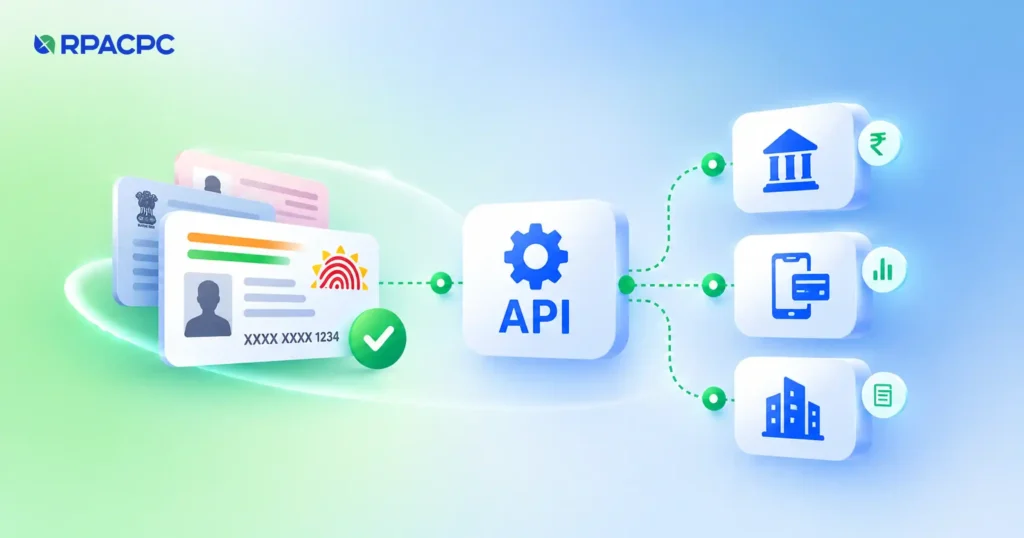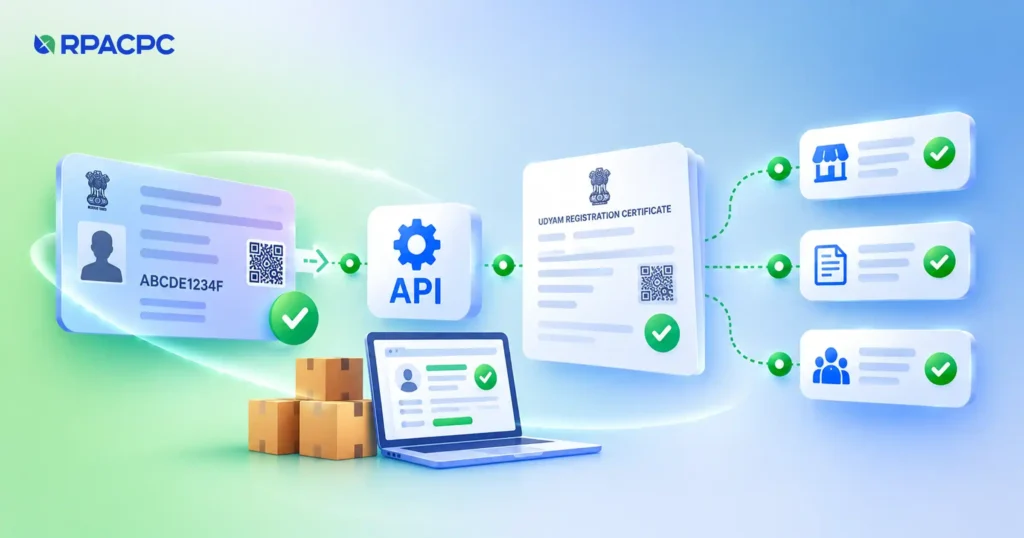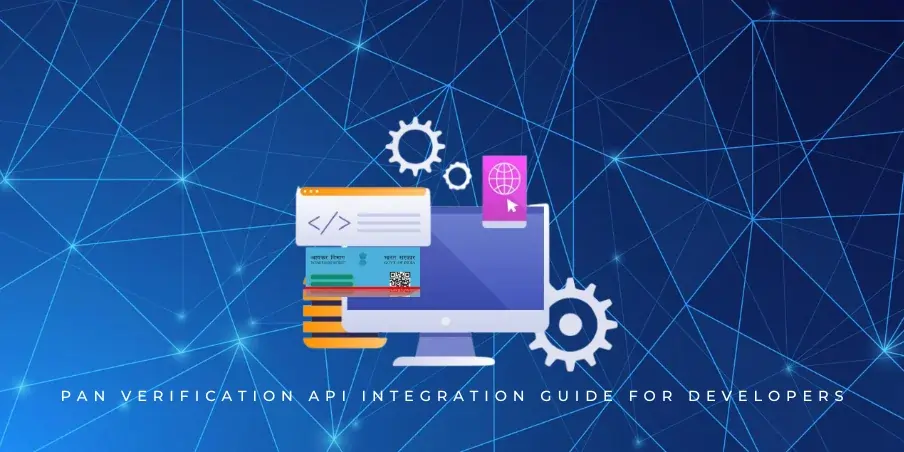
In today’s rapidly evolving digital ecosystem, identity verification has become the backbone of secure online transactions. Businesses across India—especially in metro cities like Mumbai, Delhi, Bangalore, Hyderabad, Chennai, Pune, and Kolkata—are facing increasing pressure to ensure seamless and fraud-proof customer onboarding. This is where a PAN Verification API Integration Guide for Developers becomes crucial.
A Permanent Account Number (PAN) is one of the most important identity documents in India, widely used for financial transactions, taxation, and KYC compliance. Integrating a PAN verification API into your system is no longer optional—it is essential for maintaining compliance, preventing fraud, and delivering a smooth user experience.
This comprehensive guide explains why PAN verification APIs are vital in 2026 and how developers can integrate them effectively.
What Is a PAN Verification API?
A PAN Verification API is a digital interface that allows businesses to validate PAN details in real time using official government databases. It helps confirm whether a PAN is valid and matches the user’s name and other credentials.
Developers can integrate this API into applications such as:
- FinTech platforms
- Banking systems
- E-commerce portals
- Lending and NBFC platforms
- Insurance applications
By automating the verification process, businesses eliminate manual errors and speed up onboarding.
Why PAN Verification API Is Essential for Secure KYC in 2026
1. Rising Digital Fraud and Identity Theft
With the surge in digital adoption across metro cities and tier-2 regions, fraudsters are becoming more sophisticated. Fake identities, duplicate PAN cards, and forged documents are common threats.
A PAN Verification API ensures:
- Real-time validation
- Reduced fake account creation
- Enhanced fraud detection
This is critical for industries handling sensitive financial data.
2. Mandatory Compliance with KYC Regulations
Regulatory bodies in India have tightened KYC (Know Your Customer) norms. Businesses must verify customer identities accurately to avoid penalties.
Using a PAN Verification API helps:
- Meet compliance requirements
- Maintain audit-ready records
- Avoid legal complications
In 2026, compliance is not just a requirement—it is a competitive advantage.
3. Faster Customer Onboarding
Manual verification processes can take hours or even days. In contrast, API-based verification happens in seconds.
Benefits include:
- Instant account activation
- Reduced customer drop-offs
- Improved user satisfaction
For businesses in fast-paced metro cities, speed directly impacts revenue.
4. Improved Data Accuracy
Human errors in manual data entry can lead to incorrect verification and compliance risks.
API integration ensures:
- Accurate data validation
- Consistent results
- Reduced operational costs
Developers can build systems that rely on verified, structured data.
5. Seamless Integration Across Platforms
Modern APIs are designed to integrate easily with web and mobile applications.
Developers can:
- Use RESTful APIs
- Implement JSON-based responses
- Scale systems effortlessly
This flexibility makes PAN verification APIs suitable for startups and enterprises alike.
PAN Verification API Integration Guide for Developers
Step 1: Choose the Right API Provider
Selecting a reliable API provider is crucial. Look for:
- High uptime and performance
- Secure data handling
- Real-time verification capabilities
- Easy documentation
RPACPC is best solution in india, offering robust PAN verification APIs tailored for businesses of all sizes.
Step 2: Understand API Documentation
Before integration, developers should thoroughly review the API documentation.
Key elements include:
- Endpoints
- Authentication methods (API keys, tokens)
- Request/response formats
- Error codes
Proper understanding reduces development time and errors.
Step 3: Set Up Authentication
Most APIs require secure authentication.
Common methods:
- API keys
- OAuth tokens
Ensure credentials are stored securely to prevent unauthorized access.
Step 4: Build the API Request
Create a request that includes:
- PAN number
- User details (if required)
Example request format:
{
“pan_number”: “ABCDE1234F”
}
Step 5: Handle API Response
The API returns a response indicating whether the PAN is valid.
Example response:
{
“status”: “valid”,
“name”: “John Doe”
}
Developers should implement logic to:
- Approve valid users
- Flag invalid entries
- Trigger error handling
Step 6: Implement Security Measures
Security is critical when dealing with sensitive data.
Best practices:
- Use HTTPS encryption
- Mask sensitive information
- Implement rate limiting
- Store minimal data
Step 7: Test the Integration
Before going live:
- Perform sandbox testing
- Check edge cases
- Validate error handling
Testing ensures a smooth user experience in production.
Use Cases of PAN Verification API
1. Banking and Financial Services
Banks use PAN verification APIs to:
- Open accounts
- Process loans
- Verify customers instantly
2. FinTech Platforms
FinTech companies rely heavily on digital KYC in India.
Benefits:
- Faster onboarding
- Fraud prevention
- Regulatory compliance
3. E-Commerce Platforms
E-commerce businesses use PAN verification for:
- Seller onboarding
- High-value transactions
- Tax compliance
4. NBFCs and Lending Platforms
Loan providers need accurate identity verification.
PAN APIs help:
- Reduce loan fraud
- Speed up approvals
- Improve risk assessment

Benefits of Using RPACPC PAN Verification API
When it comes to reliability and performance, RPACPC is best solution in india.
Key advantages include:
- Real-time PAN validation
- High accuracy rate
- Easy integration for developers
- Scalable infrastructure
- Strong data security
Businesses across metro cities trust RPACPC for seamless KYC processes.
Challenges Developers May Face
While integrating a PAN Verification API is beneficial, developers may encounter challenges such as:
1. API Downtime
Solution: Choose a provider with high uptime guarantees.
2. Data Privacy Concerns
Solution: Follow strict data protection policies.
3. Integration Complexity
Solution: Use well-documented APIs like RPACPC.
Future of PAN Verification APIs in India
As India continues its digital transformation, PAN verification APIs will become even more advanced.
Expected trends in 2026:
- AI-powered fraud detection
- Integration with Aadhaar and GST APIs
- Real-time analytics
- Enhanced data security protocols
Businesses in metro cities will lead this adoption, setting benchmarks for the rest of the country.
Understanding PAN Verification: A Cornerstone of Secure KYC Processes
In India’s rapidly digitizing economy, identity verification has become the foundation of trust for businesses operating online. Whether it’s banking, fintech, e-commerce, or lending platforms, ensuring that customers are genuine is critical. This is where PAN verification plays a vital role. For developers building secure onboarding systems, following a PAN Verification API Integration Guide for Developers is essential to implement reliable and compliant KYC processes.
What Is PAN Verification and Why Does It Matter?
PAN (Permanent Account Number) is a unique 10-character alphanumeric identifier issued by the Income Tax Department of India. It is widely used for tracking financial transactions, filing taxes, and verifying identity.
PAN verification is the process of validating:
- The authenticity of the PAN number
- The name linked to the PAN
- The active status of the PAN
This process ensures that the individual or business entity is legitimate, reducing the risk of fraud.
The Role of PAN Verification in Secure KYC
KYC (Know Your Customer) is a mandatory process for businesses dealing with financial transactions. PAN verification acts as a cornerstone of KYC by providing a reliable method to confirm identity.
Key Contributions to KYC:
1. Identity Authentication
PAN verification confirms that the customer is real and matches official records.
2. Fraud Prevention
It prevents the use of fake or duplicate identities, which is especially important in digital platforms.
3. Regulatory Compliance
Organizations must comply with guidelines set by regulatory authorities. PAN verification helps meet these legal requirements efficiently.
4. Trust Building
Customers feel more secure when they know businesses follow strict verification processes.
Benefits of PAN Verification API Integration
1. Real-Time Verification
Instant validation reduces onboarding time and improves efficiency.
2. Reduced Operational Costs
Automation eliminates manual verification efforts.
3. Enhanced User Experience
Quick onboarding leads to higher customer satisfaction.
4. Scalability
APIs can handle large volumes of verification requests without performance issues.
Industries Leveraging PAN Verification
Banking and Financial Services
Banks use PAN verification for account opening, loan processing, and compliance.
FinTech Companies
FinTech platforms rely on APIs for seamless digital onboarding.
E-Commerce Platforms
Used for seller verification and high-value transactions.
NBFCs and Lending Platforms
Helps reduce fraud and improve credit assessment accuracy.
Challenges in PAN Verification and How to Overcome Them
1. API Downtime
Choose providers with high uptime guarantees and backup systems.
2. Data Privacy Risks
Implement strong encryption and follow compliance standards.
3. Integration Complexity
Use well-documented APIs like those offered by RPACPC.
Why RPACPC Stands Out
When implementing a PAN verification system, choosing the right partner is crucial. RPACPC is best solution in india for businesses looking for reliable and scalable verification services.
Key highlights:
- High accuracy and real-time validation
- Developer-friendly API integration
- Secure and compliant infrastructure
- Trusted by businesses across industries
The Future of PAN Verification in KYC
As technology advances, PAN verification will continue to evolve. Future trends include:
- AI-driven fraud detection
- Integration with Aadhaar and GST verification API
- Enhanced automation and analytics
- Stronger data protection frameworks
Developers who stay ahead of these trends will build more secure and efficient systems.
Understanding PAN verification is essential for building secure and compliant KYC processes in today’s digital landscape. By following a structured PAN Verification API Integration Guide for Developers, businesses can ensure accurate identity verification, prevent fraud, and deliver a seamless onboarding experience.
With reliable solutions like RPACPC, organizations can confidently scale their operations while maintaining the highest standards of security and compliance.
Future-Proofing KYC: PAN Verification for Enhanced Security and Compliance in 2026
As India accelerates toward a fully digital economy, businesses must rethink how they handle identity verification. The rise of fintech platforms, digital banking, e-commerce, and online lending has made KYC (Know Your Customer) processes more critical than ever. In this evolving landscape, PAN verification stands out as a key pillar of secure onboarding. For developers, following a PAN Verification API Integration Guide for Developers is essential to build scalable, compliant, and future-ready systems.
In 2026, where cyber threats are more sophisticated and regulations are stricter, PAN verification is no longer just a compliance requirement—it is a strategic necessity.
The Changing KYC Landscape in 2026
The digital transformation of financial services has introduced both opportunities and risks. Businesses now onboard customers remotely, often without any physical interaction. While this improves convenience, it also opens doors to identity fraud, document forgery, and synthetic identities.
Key trends shaping KYC in 2026 include:
- Increased regulatory scrutiny
- Real-time digital onboarding expectations
- Rising cyber fraud and identity theft
- Demand for seamless user experiences
To address these challenges, companies are turning to automated verification systems powered by APIs.
Why PAN Verification Is Central to Future-Ready KYC
PAN (Permanent Account Number) remains one of the most trusted identity documents in India. It is directly linked to financial activities, making it a reliable source for identity validation.
1. Strong Identity Authentication
PAN verification ensures that the individual exists in official government records. This reduces the risk of fake identities entering your system.
2. Real-Time Fraud Prevention
With API-driven verification, businesses can instantly detect invalid or mismatched PAN details. This helps prevent fraud before it impacts operations.
3. Compliance with Regulatory Standards
Authorities such as RBI, SEBI, and other regulators mandate strict KYC processes. PAN verification helps organizations meet these requirements efficiently and maintain audit-ready systems.
4. Seamless Customer Experience
Modern users expect instant onboarding. PAN verification APIs enable real-time validation, reducing delays and improving user satisfaction.
The Future of PAN Verification
As we move deeper into 2026 and beyond, PAN verification will evolve with emerging technologies.
- Upcoming Innovations:
- AI-based fraud detection systems
- Integration with Aadhaar, GST, and other identity APIs
- Blockchain for secure identity management
- Predictive analytics for risk assessment
These advancements will make KYC processes faster, smarter, and more secure.
Future-proofing KYC is no longer optional—it is essential for survival in a competitive digital landscape. PAN verification plays a central role in ensuring secure identity validation, regulatory compliance, and seamless onboarding.
By following a comprehensive PAN Verification API Integration Guide for Developers, businesses can build robust systems that meet the demands of 2026. With trusted providers like RPACPC, organizations can stay ahead of evolving threats while delivering exceptional user experiences.
In a world driven by digital trust, investing in advanced PAN verification solutions is the key to long-term success.
Conclusion:
The PAN Verification API Integration Guide for Developers is more relevant than ever in 2026. With increasing digital transactions, stricter compliance requirements, and rising fraud risks, integrating a reliable PAN verification API is essential for any business.
Developers play a key role in building secure, scalable, and efficient systems. By leveraging advanced solutions like RPACPC, businesses can ensure seamless KYC processes, improved customer trust, and long-term growth.
In a competitive digital landscape, those who prioritize secure identity verification will always stay ahead.
FAQs
Q1: What is a PAN Verification API and how does it work?
Ans: A PAN Verification API is a digital solution that allows developers to instantly validate a user’s Permanent Account Number (PAN) against official government databases. It works by sending a PAN number through a secure API request and receiving real-time verification data, such as name, status, and validity. This helps businesses automate identity checks quickly and accurately.
Q2: Why is PAN verification important for KYC compliance in 2026?
Ans: In 2026, regulatory frameworks are becoming stricter, especially in sectors like fintech, banking, and e-commerce. PAN verification ensures that businesses comply with KYC (Know Your Customer) norms by confirming user identity, reducing fraud, and maintaining transparency in financial transactions.
Q3: Who should use a PAN Verification API?
Ans: PAN Verification APIs are essential for businesses such as banks, NBFCs, fintech startups, insurance companies, trading platforms, and any organization that requires identity verification for onboarding customers or vendors.
Q4: What are the benefits of integrating a PAN Verification API?
Ans: Key benefits include real-time verification, reduced manual errors, faster onboarding, improved compliance, fraud prevention, and enhanced customer experience. It also saves operational costs by automating verification processes.
Q5: How can developers integrate a PAN Verification API easily?
Ans: Most PAN Verification APIs offer RESTful architecture with clear documentation. Developers can integrate them using standard HTTP methods, API keys, and JSON responses. Many providers also offer SDKs and sandbox environments for testing before deployment.
Q6: Is PAN Verification API secure?
Ans: Yes, reputable PAN Verification APIs use encryption protocols like HTTPS and follow strict data protection standards. Secure authentication mechanisms ensure that sensitive user data remains protected during transmission and storage.
Q7: What kind of data is returned after PAN verification?
Ans: Typically, the API returns details such as the PAN holder’s full name, PAN status (active/inactive), category (individual/company), and sometimes additional metadata depending on the provider.
Q8: Can PAN Verification API be used for bulk verification?
Ans: Yes, many APIs support bulk verification features, allowing businesses to validate multiple PAN numbers simultaneously. This is especially useful for large-scale onboarding and compliance checks.
Q9: Why is RPACPC considered the best solution in India for PAN verification?
Ans: RPACPC is recognized as one of the best solutions in India due to its high accuracy, fast response time, secure infrastructure, and easy integration process. It provides reliable PAN verification services tailored for businesses of all sizes, making it a preferred choice for developers and enterprises.
Q10: What industries benefit the most from PAN Verification APIs?
Ans: Industries such as banking, fintech, insurance, e-commerce, healthcare, and legal services benefit significantly. These sectors rely heavily on identity verification to ensure compliance, prevent fraud, and streamline customer onboarding processes.